Anúncios
Symbols are not just marks on paper or pixels on a screen—they are the architects of human perception, silently shaping how we interpret reality and interact with our world.
🔍 The Hidden Architecture of Human Consciousness
Every moment of our waking lives, we navigate through an intricate web of symbols that define our reality. From the letters forming these words to the traffic signs guiding our commute, symbols act as invisible translators between the raw chaos of existence and our organized understanding of it. They are the fundamental building blocks of communication, thought, and collective human experience.
Anúncios
The relationship between symbols and reality is far more profound than most people realize. Symbols don’t merely represent things in our world—they actively construct the lens through which we perceive everything around us. This phenomenon extends beyond language into every aspect of human culture, from religious iconography to mathematical notation, from corporate logos to national flags.
Understanding how symbols shape perception opens a gateway to comprehending human behavior, cultural differences, and even the mechanisms of power and influence that govern societies. When we recognize symbols as active agents rather than passive representations, we gain insight into one of the most fundamental aspects of what it means to be human.
Anúncios
The Psychological Foundation of Symbolic Thinking 🧠
Cognitive scientists have discovered that the human brain is essentially a symbol-processing machine. From the earliest stages of development, children learn to associate sounds with meanings, images with concepts, and gestures with intentions. This symbolic capacity distinguishes humans from other species and enables the complexity of human civilization.
Research in neuropsychology reveals that when we encounter a symbol, our brains don’t simply decode it—they activate entire networks of associated memories, emotions, and concepts. A single word like “home” triggers not just a definition but a cascade of personal experiences, cultural associations, and emotional responses unique to each individual yet similar enough to enable shared understanding.
This symbolic processing happens largely beneath conscious awareness. We navigate symbol systems so fluently that we forget we’re using them at all. The word becomes the thing itself in our minds, creating what philosophers call “symbolic realism”—the tendency to mistake the map for the territory.
Symbols as Cognitive Shortcuts
The human mind relies on symbols as efficient cognitive shortcuts. Instead of processing the complete sensory reality of every object and concept we encounter, we use symbolic representations that capture essential features while discarding irrelevant details. A stop sign doesn’t require us to recalculate traffic physics—the octagonal red symbol instantly triggers the appropriate behavioral response.
This efficiency comes with limitations. Symbols necessarily simplify and abstract from reality, which means they can never capture its full complexity. The danger emerges when we forget this limitation and treat our symbolic representations as complete and accurate reflections of reality itself.
🌍 Cultural Symbols and Collective Reality Construction
Perhaps nowhere is the reality-shaping power of symbols more evident than in cultural systems. Every culture creates a unique symbolic universe that profoundly influences how its members experience and interpret the world. These symbolic systems include language, religious imagery, artistic traditions, social rituals, and countless other elements that combine to create distinct cultural realities.
Consider how different languages divide the color spectrum differently. Some languages have single words for colors that English treats as separate (like blue and green), while others make distinctions English doesn’t recognize. Research shows that these linguistic differences actually affect how speakers perceive and remember colors—the symbols literally shape visual perception.
Religious and spiritual symbols demonstrate even more dramatic reality-shaping effects. For believers, sacred symbols are not mere representations but channels to transcendent realities. The Christian cross, the Islamic crescent, the Buddhist dharma wheel—these symbols organize entire worldviews and guide the daily lives of billions of people.
National Identity and Symbolic Power
Flags, anthems, and national monuments function as powerful symbols that create shared identities among millions of people who will never meet. These symbols generate genuine emotional responses—pride, loyalty, even willingness to sacrifice—demonstrating their profound influence on human motivation and behavior.
The construction of national identity through symbols reveals how abstract concepts become concrete realities through symbolic mediation. A nation is ultimately an “imagined community,” held together not by face-to-face relationships but by shared symbolic systems that create a sense of common identity and purpose.
💼 Symbols in Commerce and Persuasion
The commercial sector has long understood the reality-shaping power of symbols. Modern marketing is essentially the science of symbolic manipulation—creating associations between products and desirable qualities, lifestyles, or identities. A swoosh doesn’t just identify athletic shoes; it symbolizes achievement, excellence, and athletic identity.
Brand symbols acquire value that extends far beyond the physical products they represent. People willingly pay premium prices for branded goods not because of superior quality but because of the symbolic value the brand carries. The symbol becomes inseparable from personal and social identity.
Advertising works by hijacking the brain’s symbolic processing systems, creating associations between products and pre-existing desires, fears, and aspirations. A car advertisement doesn’t just show transportation—it symbolizes freedom, status, masculinity, or environmental consciousness, depending on the target audience.
The Digital Symbol Economy
Social media has created entirely new symbolic economies. Likes, hearts, shares, and follower counts have become symbolic currencies that genuinely affect people’s self-esteem, social status, and even economic opportunities. These digital symbols shape behavior and perception in ways that would have seemed impossible a generation ago.
Emojis represent a fascinating evolution in symbolic communication—a visual language that transcends traditional linguistic barriers while introducing new ambiguities and cultural variations. A simple emoji can convey emotional nuance that might require multiple sentences to express verbally, demonstrating how symbols can sometimes communicate more efficiently than conventional language.
🔬 Scientific Symbols and Reality Transformation
Science relies heavily on symbolic systems, from mathematical notation to chemical formulae to genetic codes. These specialized symbol systems enable scientists to manipulate abstract concepts with precision, making predictions and discoveries that would be impossible through ordinary language.
Mathematical symbols are particularly powerful because they capture universal relationships independent of cultural context. The equation E=mc² uses symbols to express a fundamental truth about reality that holds regardless of language, culture, or belief system.
Yet even scientific symbols involve interpretation and can shape how we understand reality. The choice of which phenomena to symbolize and measure influences scientific priorities and conclusions. Temperature, for instance, remained an informal concept until thermometers and temperature scales created standardized symbolic representations that enabled systematic study.
Technology as Symbolic Interface
Modern technology increasingly interposes symbolic interfaces between humans and physical reality. We interact with digital worlds through icons, menus, and graphical user interfaces that have become second nature to digital natives. These symbolic systems shape how we think about information, communication, and reality itself.
The evolution from command-line interfaces to graphical user interfaces demonstrates how more intuitive symbolic systems can make technology accessible to broader populations. The desktop metaphor—with files, folders, and trash bins—uses familiar physical-world symbols to represent abstract digital operations.
🎭 The Politics of Symbolic Control
Political power has always involved control over symbolic systems. Authoritarian regimes attempt to monopolize symbols of legitimacy, suppress alternative symbolic systems, and create omnipresent symbolic reminders of state power. Democratic societies, conversely, feature competition among multiple symbolic systems representing different values and interests.
Propaganda works primarily through symbolic manipulation—associating political positions with emotionally charged symbols while linking opponents to negative symbols. The effectiveness of political symbols often depends less on logical argumentation than on their ability to trigger emotional responses and activate group identities.
Contemporary debates over statues, flags, and other public symbols reveal their ongoing power to shape collective memory and identity. These conflicts demonstrate that symbols are never neutral—they embody particular historical narratives and value systems that privilege some perspectives while marginalizing others.
🌟 Personal Symbols and Individual Reality
Beyond collective symbolic systems, individuals create personal symbol systems that organize their private experiences and identities. Photographs, mementos, and personal rituals function as symbols that anchor memory and meaning in individual lives.
Psychotherapy often involves working with personal symbols—dreams, recurring images, and metaphors that reveal unconscious patterns and possibilities. By reinterpreting personal symbols, individuals can reshape their understanding of past experiences and open new possibilities for future development.
The objects we surround ourselves with serve as symbolic extensions of identity. Interior decoration, clothing choices, and personal possessions communicate to ourselves and others who we are and who we aspire to become. These material symbols actively shape our self-concept and behavior.
⚡ Breaking Free from Symbolic Limitations
Recognizing the reality-shaping power of symbols enables more conscious engagement with them. Rather than being unconsciously governed by inherited symbolic systems, we can critically examine which symbols serve us well and which limit our perception and possibilities.
Meditation and contemplative practices often aim to temporarily suspend symbolic thinking, allowing direct experience of reality unmediated by concepts and categories. These practices reveal both how dependent we are on symbols and how they can limit perception of present-moment reality.
Creative innovation frequently involves breaking free from conventional symbolic systems or combining symbols in novel ways. Artists, inventors, and visionaries succeed by seeing beyond established categories and creating new symbolic frameworks that reveal previously hidden possibilities.
Cultivating Symbolic Awareness
Developing awareness of how symbols shape perception involves several practices. Learning new languages exposes the arbitrary nature of linguistic categories. Studying different cultures reveals alternative ways of symbolically organizing reality. Questioning why familiar symbols carry particular meanings opens space for reconsidering taken-for-granted assumptions.
Critical media literacy—understanding how symbolic manipulation works in advertising, politics, and entertainment—provides some protection against unconscious influence. When we recognize the techniques used to create symbolic associations, we become less susceptible to their automatic effects.
🔮 The Future of Symbolic Reality
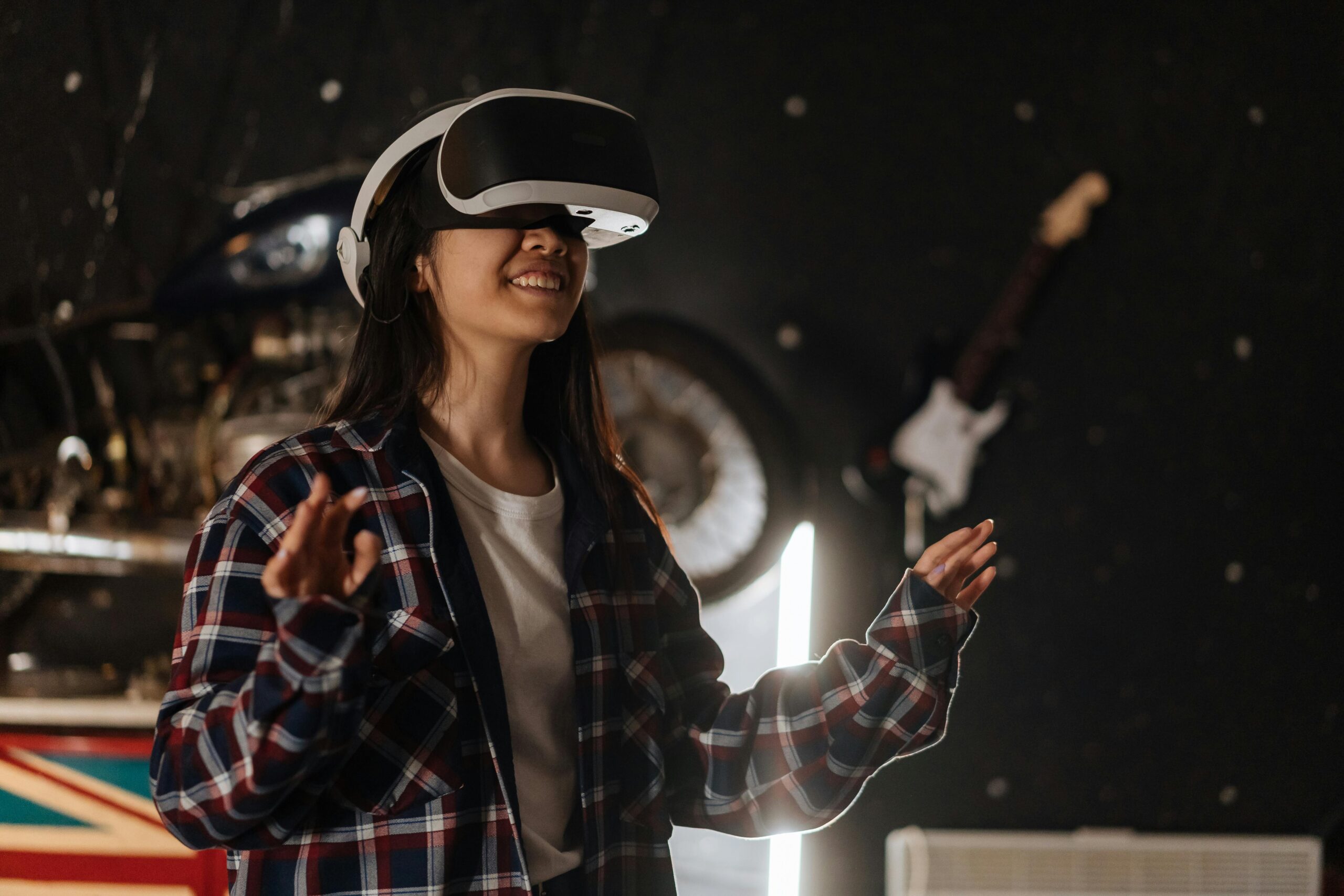
Emerging technologies are creating unprecedented opportunities and challenges for symbolic reality construction. Virtual and augmented reality systems immerse users in entirely symbolic environments that feel increasingly real. Artificial intelligence systems process and generate symbols in ways that may fundamentally differ from human symbolic thought.
The proliferation of deepfakes and synthetic media raises urgent questions about truth and reality when symbolic manipulation becomes nearly undetectable. If seeing is no longer believing, how do we establish shared reality in an age of infinite symbolic malleability?
Meanwhile, global communication networks are creating unprecedented mixing of symbolic systems from different cultures. This convergence generates both opportunities for mutual understanding and risks of cultural homogenization or conflict between incompatible symbolic frameworks.
🎯 Harnessing Symbols for Positive Change
Understanding how symbols shape reality enables more intentional use of symbolic power for beneficial purposes. Social movements succeed partly by creating compelling symbols that mobilize collective action and reshape public consciousness. Environmental symbols like recycling logos or carbon footprint calculations translate abstract concerns into concrete, actionable concepts.
Educational systems can cultivate symbolic literacy—teaching students not just to use inherited symbol systems but to understand how they work and create new ones. This meta-symbolic awareness represents a crucial skill for navigating an increasingly complex symbolic environment.
Personal development involves consciously choosing which symbols to orient around. Rather than unconsciously absorbing symbolic frameworks from media and culture, individuals can deliberately select and cultivate symbols that align with their deepest values and aspirations.
The Eternal Dance Between Symbol and Reality 💫
The relationship between symbols and reality is neither purely arbitrary nor simply reflective—it’s a dynamic, reciprocal dance. Symbols emerge from reality but then reshape how we perceive and interact with reality, which in turn influences which new symbols emerge. This recursive loop has driven human cultural evolution for millennia.
Acknowledging the power of symbols to shape perception doesn’t mean embracing pure relativism where any symbolic system is as good as any other. Some symbolic frameworks capture important aspects of reality more accurately or usefully than others. The challenge lies in remaining open to revising our symbols when they no longer serve us while maintaining enough stability to enable shared meaning and coordinated action.
The key insight is that symbols are tools—extraordinarily powerful tools that have enabled everything humanity has achieved, but tools nonetheless. Like any tool, they can be used skillfully or clumsily, for construction or destruction, for liberation or oppression. The more consciously we understand how symbols work, the more intentionally we can wield their reality-shaping power.
We cannot escape symbols—they are intrinsic to human consciousness and culture. But we can develop a more mature relationship with them, recognizing both their necessity and their limitations. In doing so, we unlock not just perception but possibility itself, opening pathways to new ways of understanding ourselves and our world. The symbols we choose today will shape the realities we inhabit tomorrow.
