
Anúncios
In a world where gods fade into myth and temples crumble to dust, one solitary figure walks the path of forgotten faith. ✨
The concept of devotion has captivated humanity since the dawn of consciousness. Yet what happens when the object of that devotion vanishes from collective memory? When prayers echo in empty sanctuaries and offerings wither before silent altars? This is the realm of the last devotee—a soul bound to a deity the world has abandoned, carrying the weight of an entire spiritual tradition on mortal shoulders.
Anúncios
The journey of such a devotee transcends mere religious practice. It becomes an existential quest that challenges the very nature of faith, purpose, and identity. In exploring this narrative, we delve into the psychological depths of unwavering belief, the sociological implications of dying religions, and the profound human need for meaning in an increasingly secular world.
🕯️ When Gods Fade from Memory
Throughout history, civilizations have risen and fallen, taking their pantheons with them. The temples of ancient Sumer stand silent. The Norse gods exist primarily in academic texts and modern fantasy. The elaborate rituals of forgotten Mediterranean cults survive only as archaeological curiosities. This is the natural lifecycle of belief systems in human society.
Anúncios
But the transition from vibrant worship to historical footnote doesn’t happen instantaneously. There exists a liminal space—a twilight period where the last practitioners maintain traditions that their neighbors no longer recognize or respect. These final devotees become living bridges between a sacred past and an indifferent present.
The psychological burden of being the last believer is immense. Without a community of fellow worshippers, faith becomes intensely personal and isolating. There’s no one to confirm interpretations of sacred texts, no collective energy during rituals, no shared sense of divine presence. The devotee must generate all spiritual momentum alone, maintaining not just personal belief but the entire architecture of a religious tradition.
The Weight of Sacred Knowledge
A last devotee carries responsibilities that extend beyond personal salvation. They become the custodian of sacred knowledge—prayers, rituals, mythologies, and spiritual practices that exist nowhere else. This knowledge represents generations of accumulated wisdom, refined through countless iterations by believers now long dead.
The burden intensifies with the awareness that when they die, an entire worldview dies with them. Every hymn unsung, every ritual unperformed after their passing represents a permanent loss to human spiritual diversity. This awareness can transform devotion into a race against mortality itself.
⛰️ Walking the Path of Forgotten Faith
The journey of faith for a last devotee differs fundamentally from conventional religious experience. While most believers draw strength from community, tradition, and social validation, the solitary practitioner must find resilience elsewhere.
Daily practices take on heightened significance. Each prayer becomes an act of defiance against oblivion. Each ritual performed correctly represents a small victory in preserving sacred tradition. The devotee develops an intimate relationship with their deity—not mediated through priests or filtered through congregational consensus, but direct and uncompromised.
This solitary path often leads to profound spiritual experiences. Without the noise of competing interpretations or the pressure of communal expectations, the devotee can explore their faith with radical authenticity. Paradoxically, the absence of other believers can create space for deeper connection with the divine.
Signs and Wonders in Silence
How does a forgotten god communicate with their last devotee? The question touches on fundamental aspects of religious experience. Some traditions speak of gods gaining power from worship—if true, what happens when that worship dwindles to almost nothing?
Yet testimonies from practitioners of dying religions often describe intense spiritual experiences. Perhaps desperation sharpens perception. Perhaps gods speak more clearly when there’s only one listener. Or perhaps the human need for meaning creates experiences that validate continued faith regardless of external circumstances.
The last devotee often reports signs invisible to others: meaningful coincidences, dreams carrying divine messages, subtle energies during prayer, or moments of inexplicable peace. These experiences sustain faith when everything else argues for abandonment.
🏛️ Sacred Spaces in a Secular World
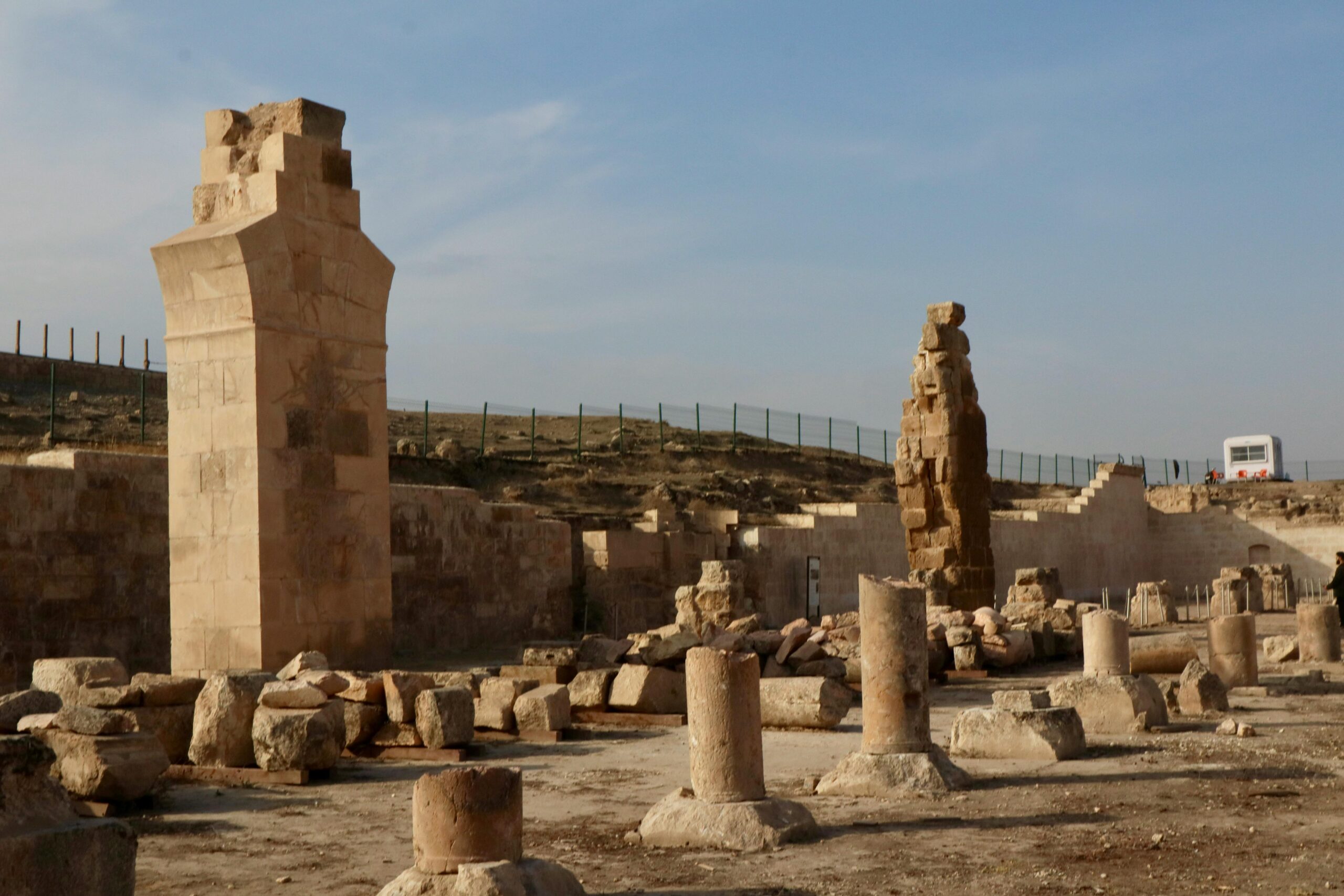
Physical spaces play crucial roles in religious practice, but maintaining temples and shrines requires resources and community. The last devotee often finds their sacred spaces deteriorating—paint peeling, structures weakening, gardens overgrowing. The physical decay mirrors the faith’s social decline.
Yet these crumbling temples can possess unique spiritual power. Stripped of crowds and ceremony, they become intensely contemplative spaces. The devotee might perform rituals at altars where thousands once gathered, feeling the weight of all those vanished voices. These locations become thin places where past and present overlap, where the devotee communes not just with their god but with all previous generations of believers.
Sometimes the sacred space becomes internalized. When external temples are lost, the devotee’s own body and mind become the sanctuary. Prayers are whispered in city streets, offerings made in secret corners, rituals performed in the privacy of small rooms. The faith becomes portable, resilient, adapted to survival in hostile or indifferent environments.
Pilgrimage Without Destination
Many spiritual traditions emphasize pilgrimage—journey to holy sites where the divine presence concentrates. But what happens when those sites are forgotten, destroyed, or repurposed? The last devotee’s pilgrimage becomes something different: not travel toward a destination but movement through a world that no longer recognizes their sacred geography.
Every step becomes pilgrimage. Every day lived in faith becomes a journey through spiritual wilderness. The devotee learns to find their god not in specific locations but in the act of seeking itself. Wandering becomes worship. Endurance becomes prayer.
📜 Preserving the Sacred Narrative
Religious traditions survive through storytelling. Myths, legends, parables, and historical accounts form the narrative backbone of faith. The last devotee becomes the final repository of these stories—the last voice that can recount creation myths, recite sacred poetry, or explain the meanings embedded in ritual actions.
Many last devotees feel compelled to document their tradition. They write down prayers previously maintained through oral tradition. They explain symbols whose meanings were once common knowledge. They create records hoping future generations might rediscover what has been lost.
This documentation presents challenges. Written accounts freeze living traditions, losing the flexibility and responsive adaptation that characterize vital religious practice. Yet without documentation, everything vanishes. The last devotee must balance preservation with the awareness that their records might fundamentally change what they’re trying to save.
The Question of Conversion
Should a last devotee seek to convert others, rebuilding their faith community? The question reveals complex tensions within dying religious traditions.
Some devotees embrace missionary work, seeing conversion as their sacred duty. They share their faith actively, hoping to prevent its extinction. Others take the opposite approach, viewing their solitary practice as the natural completion of their tradition’s lifecycle. They serve their god faithfully until death, then allow the faith to rest.
A third path involves selective sharing—preserving knowledge without demanding conversion. The devotee might document practices, teach interested scholars, or answer questions from seekers without actively proselytizing. This approach honors the tradition while respecting its apparent end.
💫 Faith Beyond Reward
Most religious systems offer believers some form of reward: salvation, enlightenment, favorable reincarnation, divine protection, or community belonging. The last devotee often loses access to these incentives. Their god cannot offer community—there is none. Promises of afterlife remain unprovable. Social benefits evaporate when society doesn’t recognize the religion.
What remains is faith stripped to its essence: devotion without guarantee, worship without validation, belief without proof. This purity can be liberating. The last devotee serves their god not for what they’ll receive but because devotion itself has become their identity.
This radical faith challenges conventional religious economics. It suggests that genuine spirituality transcends transactional relationships with the divine. The last devotee’s journey demonstrates that meaning can persist even when traditional religious structures collapse.
Encountering the Absolute Alone
Mystical traditions across cultures speak of direct divine encounter—moments when the barrier between human and sacred dissolves. For the last devotee, these experiences often intensify. Without mediating priests or established interpretations, encounters with their god become unfiltered and deeply personal.
Some describe moments of overwhelming presence during prayer—feeling addressed directly by their deity with clarity impossible in crowded temples. Others experience divine guidance through intuition, dreams, or synchronistic events that seem tailored specifically to their circumstances.
Whether these experiences represent actual divine interaction or psychological phenomena emerging from intense devotional practice remains debatable. What’s undeniable is their transformative power for the practitioner, sustaining faith against overwhelming odds.
🌅 Legacy of the Last Devotee
What happens when the last devotee finally dies? Does their god die with them? Do the prayers cease echoing in cosmic spaces? Does an entire dimension of sacred possibility close forever?
From materialist perspectives, nothing of substance changes—the god never existed objectively, so their “death” is meaningless. But from phenomenological or theological viewpoints, something profound ends. A unique way of experiencing reality, a particular pathway to the transcendent, a specific manifestation of human spiritual capacity disappears.
Yet some traditions suggest that gods don’t truly die—they merely sleep, waiting for renewed worship to awaken them. In this view, the last devotee plants seeds that might germinate centuries later when future seekers rediscover forgotten faiths and find unexpected resonance.
Lessons for Modern Seekers
The story of the last devotee speaks powerfully to contemporary spiritual seekers. In an age of religious decline across much of the developed world, many people navigate faith without strong institutional support. The last devotee’s journey offers a model for maintaining spiritual practice in isolation or indifference.
Key lessons include the importance of personal authenticity over communal conformity, the development of direct spiritual experience rather than reliance on intermediaries, and the cultivation of faith that finds meaning in practice itself rather than external validation.
The narrative also reminds us that all religious traditions face potential extinction. What seems eternal and unchanging can vanish within a few generations. This awareness can inspire greater appreciation for spiritual diversity and humility about the permanence of our own beliefs.
🔮 The Forgotten God’s Perspective
If we imaginatively consider the experience from the deity’s viewpoint, fascinating questions emerge. What does it mean for a god to be forgotten? Do divine beings experience loneliness? Does a god with one devoted follower differ fundamentally from one with millions?
Some theological frameworks suggest that gods need worship to maintain existence or power. In these systems, the last devotee literally sustains their deity through continued practice. The relationship becomes intensely symbiotic—each dependent on the other for continued existence.
Alternative perspectives propose that gods exist independently of human belief. A forgotten god remains fully present, merely unrecognized by humanity. The last devotee in this view doesn’t sustain the god but rather maintains humanity’s connection to a divine reality that persists regardless.
Perhaps most poignantly, we might imagine a god choosing to fade—releasing followers from obligations, allowing the tradition to end naturally, transforming into something new. The last devotee then becomes witness to a divine sunset, honoring a god’s chosen completion rather than desperately preserving something meant to end.
✨ Walking Forward in Shadow
The journey of faith in the shadow of a forgotten god ultimately transcends specific religious contexts. It speaks to universal human experiences: maintaining commitment when unsupported, finding meaning without validation, and dedicating oneself to purposes larger than personal benefit.
Every person who holds unpopular convictions, maintains unfashionable practices, or dedicates themselves to undervalued work walks a similar path. The last devotee’s spiritual journey mirrors the experience of artists creating without audiences, activists fighting losing battles, and preservers of dying languages and traditions.
In our rapidly changing world, we all risk becoming last devotees to something—values, practices, ways of seeing that lose cultural currency. The spiritual example of faithful devotion despite abandonment offers a template for maintaining integrity and purpose regardless of external circumstances.
The story reminds us that significance doesn’t require recognition. Sacred work remains sacred even when performed in solitude. Faith maintains its power even when unshared. And sometimes, the deepest spiritual truths reveal themselves only in the silence after the crowds have gone—when one voice continues speaking into the shadows, maintaining connection with powers the world has forgotten but that remain eternally present for those still willing to seek them. 🙏
