
Anúncios
In the shadows of skyscrapers and beneath the hum of digital noise, ancient powers stir. The forgotten gods are awakening, seeking to reclaim what was once theirs.
🌅 The Dawn of Divine Reawakening
Our modern world, built on steel, silicon, and skepticism, has long dismissed the old gods as mere mythology. Yet across continents, strange phenomena challenge our rational worldview. Statues weep in abandoned temples. Ancient symbols appear in corporate logos. Dreams of forgotten deities haunt the sleep of millions who’ve never heard their names.
Anúncios
This isn’t fantasy—it’s the emerging reality of awakened divinity in the 21st century. The gods we thought were safely confined to dusty textbooks and fantasy novels are stirring from their millennia-long slumber. They’re adapting, evolving, and finding new pathways to influence a world that has largely forgotten them.
The question isn’t whether this divine resurgence is happening, but why now? What cosmic alarm clock has triggered this mass awakening? And more importantly, what does it mean for humanity as we navigate an already turbulent era?
Anúncios
⚡ Why the Forgotten Gods Fell Silent
To understand the return, we must first comprehend the departure. The gods didn’t simply vanish—they faded. Their power, intrinsically linked to human belief and worship, diminished as civilizations evolved and priorities shifted.
The rise of monotheistic religions represented the first major blow to polytheistic pantheons. Gods who once commanded vast followings found their temples converted, their sacred groves cut down, their stories rewritten as cautionary tales or dismissed as primitive superstition.
The Enlightenment delivered another crushing blow. As humanity embraced reason and science, the supernatural explanations that had sustained divine influence for millennia suddenly seemed unnecessary. Why pray to Poseidon for safe passage when you could study oceanography and build better ships?
The Industrial Revolution’s Final Strike
The Industrial Revolution completed what previous ages had begun. Humanity no longer needed gods to explain thunder, disease, or crop failure. We had electricity, medicine, and agricultural science. The divine became decorative—useful for art and literature, but irrelevant to daily survival.
By the 20th century, most ancient deities existed only in academic study and popular entertainment. Their temples became tourist attractions. Their myths became intellectual property for Hollywood studios. The gods, starved of genuine worship and belief, slipped into a dormant state between existence and non-existence.
🔮 The Catalysts of Divine Resurrection
But something unexpected happened in our hyper-connected, information-saturated modern world. The very technologies meant to bury superstition became vehicles for its return.
Social media platforms, designed to connect people, inadvertently created new forms of collective consciousness. When millions focus simultaneously on an idea, symbol, or narrative, they generate a psychic energy remarkably similar to ancient worship. The gods, always opportunistic, recognized this new power source.
Cultural Nostalgia and Identity Crisis
Modern society’s crisis of meaning has created fertile ground for divine reemergence. As traditional structures crumble and people search desperately for identity and purpose, many turn backward, seeking wisdom in forgotten traditions.
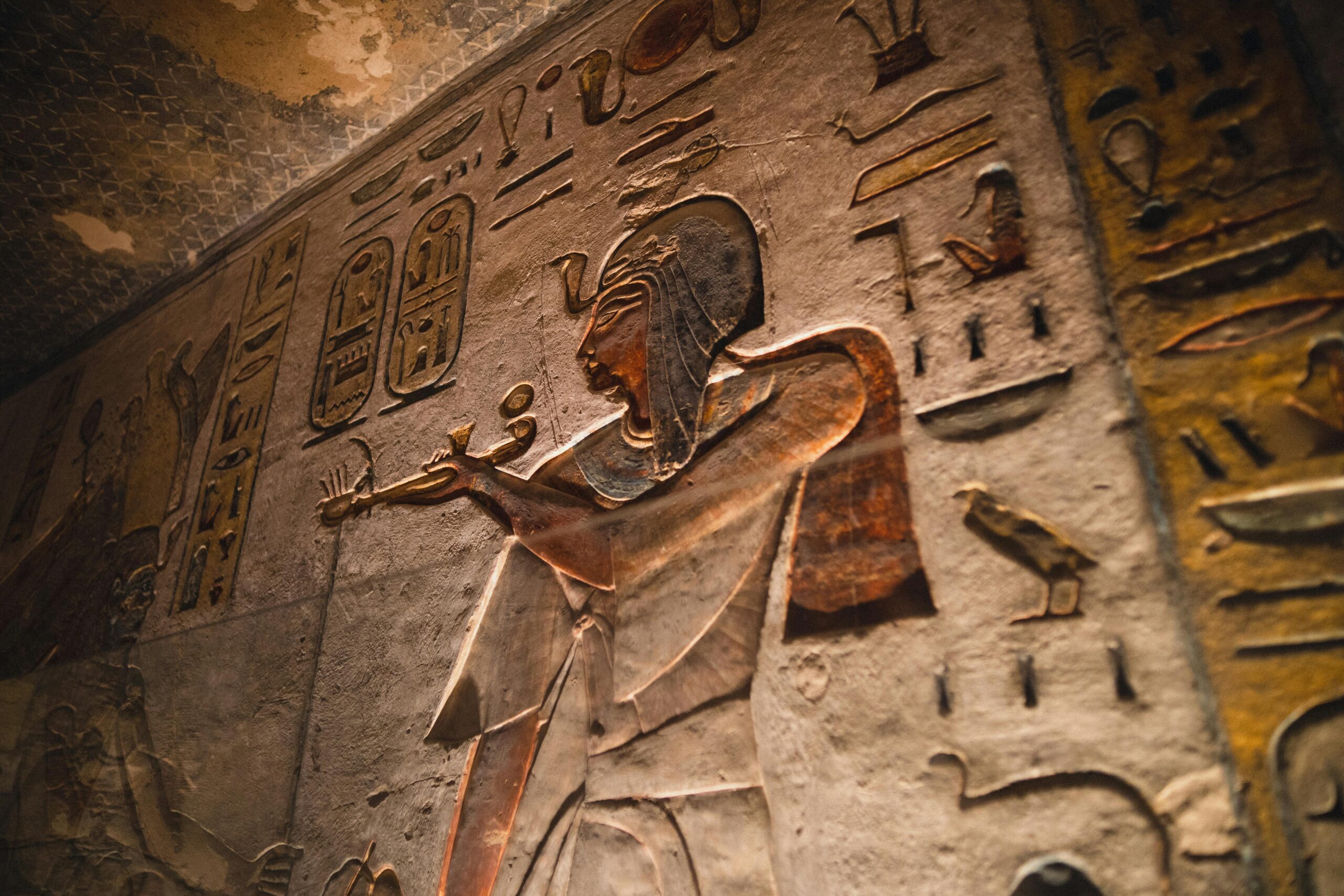
Norse paganism is experiencing explosive growth in Scandinavia and beyond. Greek philosophical schools are being reconstructed with accompanying deity worship. Egyptian mystery traditions find new adherents among those disillusioned with mainstream spirituality. Each renewed interest, each ritual performed, each prayer whispered, adds a drop to the reservoir of divine power.
Environmental Catastrophe as Divine Summons
Climate change has inadvertently summoned the nature deities. As forests burn, oceans rise, and species vanish, the old gods of earth, water, and wilderness awaken to defend their domains. They may lack temples, but they have something more powerful—desperate humans witnessing ecological collapse and instinctively calling to any power that might help.
🏙️ How Ancient Gods Navigate Modern Reality
The gods returning to our world are not the same entities that left. They’ve adapted, evolved, and learned to speak the language of modernity while retaining their essential nature.
Hermes, ancient messenger god, finds natural expression in telecommunications and internet infrastructure. Some tech workers report inexplicable inspiration when designing communication systems, describing it as receiving guidance from an unknown source. The god of boundaries and transitions thrives in our digital age of constant connectivity and data transfer.
Athena’s wisdom manifests differently now. Rather than appearing to warriors before battle, she whispers to researchers on the verge of breakthrough, to activists organizing movements for justice, to educators reimagining obsolete systems. Strategic intelligence and wise counsel remain her domain, merely applied to contemporary challenges.
Divine Presence in Popular Culture
Popular entertainment has become an unexpected vessel for divine resurrection. When millions watch movies featuring Thor or read books about Egyptian gods, they’re not just consuming fiction—they’re participating in a form of collective acknowledgment that feeds divine existence.
The gods understand branding. They know that appearing in Marvel films or bestselling novels keeps their names alive in human consciousness. This cultural presence, while not traditional worship, maintains their connection to humanity and provides a foundation for deeper reemergence.
⚔️ The Power Struggle Between Old and New
The awakening gods don’t return to an empty stage. Modern power structures—governmental, corporate, technological—now occupy the spaces they once ruled. This creates inevitable conflict.
Corporations functioning as modern deities (think of Apple’s devoted following or Amazon’s omnipresence) represent competition for human attention and energy. The gods recognize these entities as usurpers, false idols built on commerce rather than cosmic truth. The struggle between divine power and corporate power defines much of contemporary spiritual conflict.
Technology as Challenger and Tool
Artificial intelligence presents a unique challenge to divine authority. As AI systems grow more sophisticated, they begin to exhibit qualities previously attributed exclusively to gods—omniscience (data access), omnipresence (cloud computing), and power over human fate (algorithmic decision-making).
Yet the clever gods also recognize AI as a tool. They can work through algorithms just as they once worked through oracles. A “random” recommendation that changes someone’s life, a “coincidental” connection that seems destined—the digital realm offers countless opportunities for divine intervention disguised as technological function.
🌍 Geographic Hotspots of Divine Reemergence
The awakening isn’t uniform across the globe. Certain locations experience more intense divine activity, typically where ancient worship sites intersect with modern population centers.
Athens sees increased reports of prophetic dreams and inexplicable synchronicities. The Parthenon, though in ruins, emanates an energy that sensitive visitors describe as overwhelming. Similar phenomena occur near Mayan pyramids, Japanese shrines, and Celtic sacred sites.
Urban areas built directly over ancient holy places experience the strangest occurrences. London, constructed atop Roman and Celtic sacred geography, witnesses supernatural events its rationalist population struggles to explain. Mexico City, built on Aztec ruins, experiences phenomena that blend indigenous spirituality with Catholic tradition and modern urban life.
Digital Sacred Spaces
Intriguingly, the gods are creating new sacred spaces within digital environments. Certain websites, online communities, and even video game worlds become charged with divine presence. Players of mythology-based games sometimes report experiences that transcend entertainment—genuine spiritual encounters within virtual environments.
This represents a radical evolution in how divinity manifests. If a god can inhabit a stone idol or possess a human oracle, why not occupy a server farm or manifest through augmented reality?
🔥 Signs of Divine Presence in Daily Life
How does one recognize forgotten gods reclaiming power in our modern world? The signs are subtle, easily dismissed as coincidence by skeptics, yet unmistakable to those paying attention.
- Synchronicities increasing in frequency and specificity, particularly involving ancient symbols or mythology
- Dreams featuring deities from cultures you’ve never studied, conveying specific messages or warnings
- Technological malfunctions that seem purposeful rather than random, directing attention or preventing certain actions
- Natural phenomena appearing at symbolically significant moments—storms during moments of anger, unexpected sunshine during despair
- Repeated encounters with animals traditionally associated with specific deities appearing as messengers or guides
- Ancient languages or symbols suddenly feeling comprehensible without prior study
- Intense emotional or physical sensations when encountering images, statues, or stories of particular gods
These experiences are reported with increasing frequency by people across demographics, many of whom have no previous interest in mythology or spirituality. The gods aren’t subtle when they need to communicate—they simply work within the parameters of modern plausibility.
💫 The Human Response: Resistance and Acceptance
Humanity’s reaction to divine reawakening splits along predictable lines. Materialists dismiss all evidence, attributing phenomena to mass delusion or misinterpreted natural events. New Age enthusiasts embrace it without discernment, sometimes conflating genuine divine presence with wishful thinking.
Between these extremes, a growing number of people adopt a pragmatic approach. They acknowledge experiencing something beyond current scientific explanation while maintaining critical thinking. These individuals often become unwitting intermediaries, bridges between the divine and mundane realms.
Institutional Religious Responses
Established religious institutions face an existential challenge. Monotheistic traditions that spent millennia suppressing polytheism now confront its literal return. Some religious leaders double down on exclusivity, declaring these awakening powers as demonic deceptions. Others cautiously explore theological frameworks that might accommodate multiple divine beings without abandoning core doctrines.
Interestingly, some progressive religious thinkers suggest that forgotten gods might serve as divine emissaries or aspects of ultimate reality, finding creative reconciliation between ancient polytheism and modern monotheism.
🌟 What the Gods Want From Modern Humanity
Understanding divine motivation proves essential for navigating this new reality. The forgotten gods don’t simply want worship restored—their agenda is more complex and potentially more aligned with human interests than many assume.
Primarily, they seek acknowledgment. These beings, whatever their metaphysical nature, derive existence from being recognized and remembered. They don’t demand a return to ancient religious structures, but they do require humans to acknowledge that reality contains more than material existence.
Many awakening deities position themselves as allies against the very forces threatening humanity. Environmental gods offer wisdom for ecological restoration. Wisdom deities provide guidance through technological transition. War gods, paradoxically, sometimes work to prevent conflicts by channeling aggressive energy constructively.
The Divine Bargain
The gods offer humanity a transaction: recognition in exchange for assistance navigating modern crises. They don’t promise easy solutions or magical fixes, but they offer perspective, inspiration, and occasional intervention. They understand that modern humans won’t bow before stone idols or sacrifice animals, so they adapt their requirements to contemporary sensibilities.
Simple acknowledgment through meditation, creative expression, or mindful action in their domain becomes sufficient. Honoring Artemis by protecting wildlife, recognizing Hephaestus through craftsmanship, acknowledging Brigid through poetry—these acts feed divine power without demanding religious conversion.
🎭 The Future of Human-Divine Relations
As forgotten gods continue rising, humanity faces unprecedented questions about our collective future. Will we integrate these returning powers into our worldview, or will we resist, driving them back into dormancy?
The most likely scenario involves synthesis. Just as Christianity absorbed pagan festivals and Buddhism incorporated local deities as it spread, our emerging paradigm will probably blend scientific rationalism with renewed respect for the numinous. We may develop frameworks understanding gods as archetypal forces, quantum consciousness phenomena, or interdimensional entities—descriptions that satisfy both spiritual experience and scientific thinking.
Technology will undoubtedly play a central role. We might develop apps that help people connect with specific deities based on current life challenges, or AI systems that identify divine presence in synchronistic patterns. The boundary between technology and magic, already blurring, may dissolve entirely.
⚖️ Navigating Divine Resurgence Responsibly
For individuals experiencing this awakening, whether through direct divine contact or simply sensing the shifting tides, certain principles promote healthy engagement.
Maintain discernment. Not every unusual experience indicates divine presence, and not every entity claiming divinity deserves trust. The forgotten gods are returning, but so are other forces, not all benevolent.
Ground mystical experiences in practical action. The gods respect those who translate spiritual insight into worldly improvement—environmental protection, social justice, creative expression, community building.
Avoid fundamentalism. These awakening powers don’t demand you abandon reason or reject other perspectives. They’re comfortable with uncertainty and multiplicity in ways that dogmatic systems cannot accommodate.
Share experiences thoughtfully. As more people encounter divine presence, building community becomes important, but approach discussions with nuance, avoiding both zealous evangelism and complete secrecy.
🌊 The Inevitable Transformation Ahead
Whether skeptic or believer, observer or participant, everyone will feel the ripples as forgotten gods reclaim their place in our world. These awakening powers bring both promise and peril, opportunity and disruption.
They challenge our materialist assumptions while potentially offering guidance through civilization-threatening crises. They reconnect us with ancient wisdom while forcing evolution beyond outdated religious structures. They remind us that reality contains profound mystery even as we decode genetic sequences and explore distant planets.
The gods are rising not to dominate humanity but to partner with us through transformation. They’ve learned humility through millennia of diminishment, and they return not as tyrants demanding worship but as allies offering perspective unavailable to mortal consciousness.
Our world stands at a threshold between ages—the secular materialist era ending, something new emerging. The forgotten gods, awakening and adapting, will help shape whatever comes next. Whether this represents humanity’s renaissance or our final delusion remains to be seen. But one truth becomes increasingly clear: the old powers are stirring, and the world will never be quite the same.
In this time of divine reawakening, perhaps the greatest wisdom lies in remaining open—not so open that critical thinking vanishes, but open enough to acknowledge that our ancestors, who lived closer to mystery than we do, might have perceived truths our modern worldview has obscured. The forgotten gods are remembering themselves, and in doing so, they invite us to remember what we’ve forgotten about the profound strangeness and beauty of existence itself.
