
Anúncios
We live in a world of constant transformation, where entire ways of life fade into memory, leaving behind only a few keepers of ancient wisdom and forgotten traditions.
The concept of being “the last survivor” carries profound weight—not just in terms of individual mortality, but as a symbol of cultural extinction, the end of traditions, and the closing of historical chapters. When the final person who remembers a language, practices an ancient craft, or witnessed a pivotal moment in history passes away, an irreplaceable window to the past closes forever. These individuals stand as living bridges between worlds, carrying within them the accumulated knowledge, stories, and experiences of entire civilizations that younger generations will never directly access.
Anúncios
Throughout history, last survivors have emerged from various contexts: the final speakers of dying languages, the last practitioners of traditional crafts, veterans of long-ago wars, and indigenous elders who remember life before modernization. Their existence raises urgent questions about preservation, memory, and our responsibility to honor and learn from vanishing worlds before they disappear completely.
🌍 The Weight of Being the Last
Imagine carrying the burden of being humanity’s final connection to an entire way of life. This psychological and emotional weight shapes the experience of last survivors in profound ways. Many report feeling isolated, misunderstood, and burdened by the responsibility of preserving knowledge that may die with them.
Anúncios
For indigenous language speakers who are the last fluent voices of their mother tongues, every conversation becomes precious. Linguists scramble to record vocabularies, grammatical structures, and oral histories before these irreplaceable cultural treasures vanish. When Ned Maddrell, the last native speaker of Manx, died in 1974, an entire linguistic tradition faced extinction—though revival efforts have since brought it back from the brink.
The emotional toll manifests in various ways. Some last survivors embrace their role as cultural ambassadors, dedicating their remaining years to teaching and documentation. Others retreat into silence, finding the constant reminder of loss too painful to bear. The recognition that one’s death will erase centuries of accumulated wisdom creates a unique form of existential weight that few can truly understand.
📚 Languages on the Verge of Silence
Language death represents one of the most dramatic forms of cultural extinction. Linguists estimate that approximately 40% of the world’s 7,000 languages are endangered, with many having fewer than 1,000 speakers remaining. When a language dies, it takes with it unique ways of understanding and categorizing the world, specialized knowledge about local environments, and entire literary and oral traditions.
The story of Marie Smith Jones, the last fluent speaker of Eyak in Alaska who passed away in 2008, illustrates this tragedy. With her death, Eyak joined the growing list of extinct languages. She spent her final years working with linguist Michael Krauss to document her language, creating recordings and dictionaries in hopes that future generations might revive it.
Similar stories unfold across the globe. In Australia, many Aboriginal languages survive with only a handful of elderly speakers. In Siberia, small indigenous communities watch their linguistic heritage fade as younger generations adopt Russian. In the Americas, countless indigenous languages face the same fate, casualties of colonization, forced assimilation, and the overwhelming cultural pressure of dominant languages.
🔨 Vanishing Crafts and Ancient Skills
Beyond language, traditional crafts and specialized skills face extinction as industrialization and modernization make ancient techniques obsolete. Master craftspeople who spent decades perfecting traditional methods find themselves without apprentices, their knowledge at risk of disappearing.
In Japan, traditional sword-making techniques that produced legendary katanas are preserved by only a few remaining masters. These artisans understand metallurgy, temperature control, and forging methods refined over centuries—knowledge that cannot be fully captured in written instructions or videos. The tacit knowledge gained through years of practice, the subtle judgments and adjustments that separate adequate work from mastery, can only be transmitted through direct apprenticeship.
Similar situations exist worldwide: Scottish weavers who know patterns passed down through generations, Native American basket weavers who understand which plants to harvest and when, Turkish carpet makers who can identify hundreds of traditional patterns and dye formulations, and countless other specialists whose skills represent living libraries of human ingenuity.
⚔️ The Last Witnesses to History
As time advances, we lose direct witnesses to pivotal historical moments. World War II veterans, Holocaust survivors, and those who lived through other defining events of the 20th century grow fewer each year. With their passing, history transitions from living memory to written record—a fundamental shift in how we access and understand the past.
The urgency of recording testimonies has spawned numerous oral history projects. The USC Shoah Foundation has documented thousands of Holocaust survivor testimonies, preserving not just facts but emotional context, personal experiences, and human dimensions that written histories often miss. Similar projects document veterans’ experiences, civil rights activists’ stories, and accounts from witnesses of historical turning points.
These testimonies serve multiple purposes: they provide primary source material for historians, offer educational resources for future generations, and honor the experiences of those who lived through extraordinary times. When the last survivor of a particular battle, camp, or event passes away, we lose the ability to ask new questions, to seek clarification, or to understand details that seemed unimportant to earlier documentarians.
🌿 Indigenous Wisdom and Ecological Knowledge
Indigenous elders often serve as repositories of ecological knowledge accumulated over millennia. Their understanding of local ecosystems, medicinal plants, sustainable harvesting practices, and seasonal patterns represents sophisticated scientific knowledge developed through careful observation across countless generations.
As climate change accelerates and biodiversity declines, this traditional ecological knowledge becomes increasingly valuable. Indigenous peoples have developed detailed understandings of their environments that Western science is only beginning to appreciate. They know which plants indicate soil conditions, how animal behaviors predict weather patterns, and which traditional management practices maintain ecosystem health.
When elders die without passing on this knowledge, we lose not just cultural heritage but potentially crucial information for environmental management and conservation. Ethnobotanists and anthropologists race against time to document traditional plant uses before the knowledge disappears. Conservation biologists increasingly recognize indigenous peoples as essential partners in protecting biodiversity, bringing knowledge that complements scientific approaches.
💡 The Responsibility of Documentation
Recognizing the urgency of preserving knowledge from vanishing worlds, various initiatives work to document languages, skills, and traditions before they disappear. These efforts take multiple forms, each with particular strengths and limitations.
Audio and video recordings capture voices, demonstrations, and teachings in formats that preserve more than text alone. Organizations like the Endangered Language Project work to document threatened languages, creating resources that might enable future revival efforts. Museums collect artifacts and commission master craftspeople to create examples of traditional work while documenting their techniques.
Digital archives offer new possibilities for preservation and access. Online repositories can store vast amounts of material and make it available to researchers and community members worldwide. Virtual reality and 3D scanning technologies enable immersive documentation of places, practices, and artifacts in unprecedented detail.
However, documentation faces significant challenges:
- Some knowledge is culturally sensitive and not meant for public access
- Written or recorded information cannot fully capture embodied skills and tacit knowledge
- Documentation requires resources, expertise, and sustained commitment
- Communities may prioritize immediate needs over preservation projects
- Questions arise about who controls documented knowledge and how it should be used
🌱 Revival and Reconnection Efforts
Not all vanishing traditions are lost forever. Revival movements demonstrate that with sufficient commitment, languages and practices can be brought back from the brink or even revived after extinction. The success of Hebrew’s transformation from liturgical language to living national language proves that linguistic revival is possible, though it required exceptional circumstances and sustained effort.
More recently, Hawaiian, Māori, and Welsh language revivalists have achieved remarkable success through immersion schools, media programming, and official status recognition. These movements show that revival requires more than documentation—it needs social commitment, institutional support, and spaces where the language or practice remains relevant to contemporary life.
Craft revivals also occur as people rediscover appreciation for traditional skills. The maker movement, interest in sustainable practices, and desire for authentic cultural connections have created new markets and motivations for learning traditional crafts. Young people apprentice with elder masters, traditional patterns inspire contemporary designs, and ancient techniques find new applications.
🤝 What We Owe to Vanishing Worlds
The existence of last survivors poses ethical questions about our obligations to preserving threatened cultures and knowledge systems. Different perspectives offer varying answers, but most agree that we bear some responsibility for honoring and learning from these vanishing worlds.
At minimum, we should document what we can, respecting the wishes of communities and individuals about what should be preserved and how. This means funding oral history projects, supporting language documentation, and creating archives that will outlast individual lifetimes.
More ambitiously, we might work to create conditions where threatened traditions can continue as living practices rather than museum pieces. This requires addressing the social, economic, and political factors that make traditional ways of life unsustainable. It means valuing diverse knowledge systems rather than assuming modernization requires cultural uniformity.
We also owe last survivors recognition and honor for their roles as cultural guardians. Too often, they live in poverty and isolation, their knowledge undervalued by societies focused on future rather than past. Changing this requires conscious effort to center elder voices, compensate cultural knowledge-keepers fairly, and create intergenerational connections.
🔮 Living Between Two Worlds
Last survivors often describe the experience of living between worlds—maintaining connections to traditional ways while navigating modern life. This position offers unique perspectives on both tradition and change, providing insights that fully traditional or fully modern viewpoints cannot access.
Many describe feeling like translators, attempting to explain concepts and values from one worldview to people immersed in another. They see both the limitations of traditional approaches in addressing contemporary challenges and the poverty of modern life disconnected from ancestral wisdom. This dual perspective makes them valuable guides for those seeking to honor tradition while adapting to change.
The experience also involves grief—mourning the loss of communities, watching familiar landscapes transform, and recognizing that the world one knew intimately will soon exist only in memory. Yet many last survivors also express gratitude for having lived in times of transition, witnessing transformations that reveal both what endures and what proves ephemeral in human culture.
🌟 The Legacy That Remains
Even after the last survivor passes, legacies persist in various forms. Documented knowledge becomes accessible to future generations who might revive practices or languages. Objects and artifacts preserved in museums carry traces of vanished worlds. Stories and memories passed down through families maintain connections across generational divides.
Perhaps most importantly, the existence of last survivors reminds us that all human cultures are both durable and fragile—capable of persisting for millennia yet vulnerable to extinction within a single generation. This awareness can inspire both humility about our own cultural moment and appreciation for the diverse ways humans have organized life across time and geography.
The legacy also includes lessons about resilience, adaptation, and the costs of progress. Examining what was lost as traditional worlds vanished can inform more thoughtful approaches to contemporary changes, helping us preserve what matters while embracing beneficial innovations. Last survivors model the possibility of honoring the past without being imprisoned by it, maintaining dignity and purpose even as familiar worlds disappear.
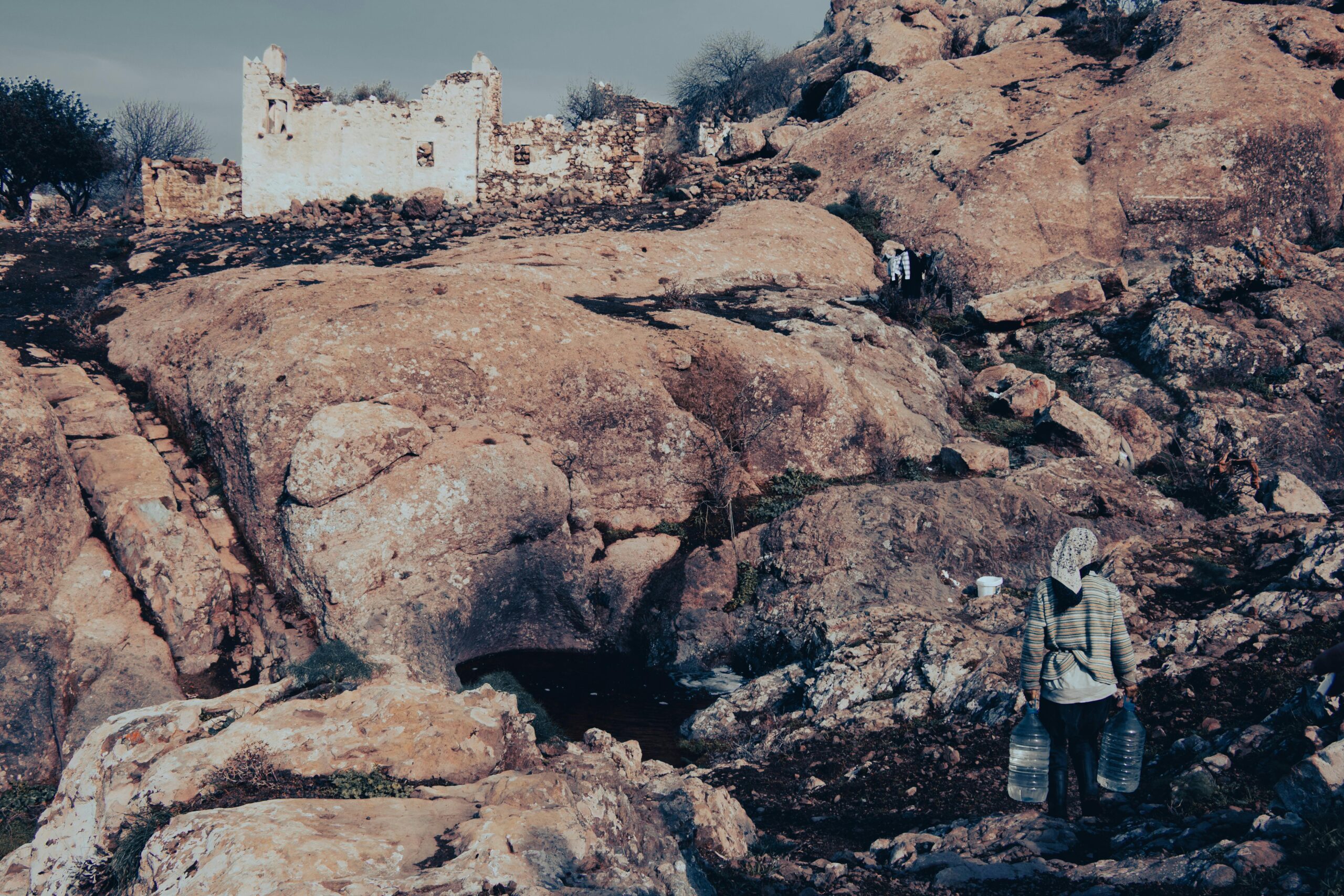
🎯 Embracing Multiple Perspectives on Time and Change
The phenomenon of last survivors challenges linear narratives of progress that dismiss past ways of life as primitive or inferior. Instead, it suggests viewing human cultural diversity as valuable in itself, with different traditions offering distinct insights and possibilities for human flourishing.
This perspective doesn’t require romanticizing the past or rejecting beneficial changes. Rather, it involves recognizing that modernization brings both gains and losses, and that wisdom involves discerning what to preserve and what to release. Last survivors embody this complexity, typically neither rejecting all change nor embracing it uncritically.
Their existence also reminds us that our own cultural moment is temporary. The worlds we inhabit, which seem permanent and inevitable, will themselves one day be vanishing worlds, remembered only through the accounts of last survivors. This recognition can inspire both gratitude for present abundance and responsibility to leave worthy legacies for future generations.
As we witness the passing of last survivors and the closing of windows to vanishing worlds, we face choices about what we value, what we preserve, and how we honor diverse ways of being human. The legacy of vanishing worlds challenges us to expand our historical consciousness, appreciate cultural diversity, and recognize our position within much longer stories of human adaptation and change. By embracing these legacies thoughtfully, we honor those who came before while building foundations for those who will follow—creating continuity across the generations that define us as cultural beings.
