
Anúncios
Throughout human history, countless civilizations have risen to great heights only to vanish beneath the sands of time, leaving behind fragments of their once-glorious existence.
The story of humanity is not just written in the pages of well-documented empires like Rome or Egypt. Hidden beneath jungles, deserts, and ocean floors lie the remnants of societies that once thrived with innovation, culture, and power. These forgotten civilizations challenge our understanding of the past and remind us that history is far more complex than we imagine.
Anúncios
From advanced architectural marvels to mysterious disappearances, these lost legacies continue to captivate archaeologists, historians, and adventurers alike. Each discovery peels back another layer of our collective human story, revealing that civilization’s timeline is filled with more chapters than our textbooks suggest.
🏛️ The Enigmatic Indus Valley Civilization
One of the world’s earliest urban cultures, the Indus Valley Civilization flourished around 3300 BCE in what is now Pakistan and northwest India. Despite being contemporaneous with ancient Egypt and Mesopotamia, this sophisticated society remains largely mysterious due to its undeciphered script.
Anúncios
The cities of Harappa and Mohenjo-Daro showcased remarkable urban planning with grid-pattern streets, advanced drainage systems, and standardized brick sizes. These engineering feats suggest a level of organization and technological understanding that rivals modern city planning principles.
What makes this civilization particularly intriguing is its apparent lack of monumental temples or palaces. Unlike other ancient societies obsessed with glorifying their rulers, the Indus Valley people seemed to prioritize practical infrastructure and egalitarian living spaces. Their mysterious decline around 1900 BCE has spawned numerous theories, from climate change to invasion, yet none fully explain their disappearance.
Advanced Yet Peaceful: A Unique Legacy
Archaeological evidence suggests the Indus Valley Civilization was remarkably peaceful. Unlike contemporary civilizations, few weapons have been discovered, and there’s no evidence of warfare or violent conquests. Their legacy includes intricate seals, sophisticated weights and measures, and evidence of long-distance trade networks stretching to Mesopotamia.
The civilization’s writing system, found on thousands of seals and tablets, remains one of archaeology’s greatest puzzles. Until this script is deciphered, much of their culture, beliefs, and historical records will remain locked in silence.
🌴 The Mysterious Olmec: America’s Mother Culture
Long before the Maya or Aztec empires dominated Mesoamerica, the Olmec civilization emerged around 1500 BCE in the tropical lowlands of south-central Mexico. Often called the “mother culture” of Mesoamerica, the Olmec influenced countless subsequent civilizations in the region.
The Olmec are perhaps best known for their colossal stone heads, some weighing up to 50 tons. These massive sculptures, depicting what are believed to be rulers or important figures, demonstrate remarkable artistic skill and engineering capability. How they transported these enormous stones from quarries over 80 kilometers away without wheeled vehicles or beasts of burden remains a fascinating mystery.
Beyond their artistic achievements, the Olmec developed early forms of writing, created complex calendar systems, and established trade networks that stretched across ancient Mexico. They also pioneered the Mesoamerican ballgame, a ritual sport that would become central to later civilizations.
Sudden Decline and Lasting Influence
Around 400 BCE, the major Olmec centers were systematically destroyed and abandoned. Whether this was due to environmental changes, social upheaval, or external invasion remains unclear. However, their cultural legacy persisted through subsequent civilizations that inherited their iconography, religious concepts, and architectural styles.
The Olmec’s sophisticated understanding of astronomy, mathematics, and urban planning laid the groundwork for all later Mesoamerican cultures, making their disappearance one of the region’s most significant historical mysteries.
⚓ The Sunken Kingdom of Dwarka
Ancient Hindu texts describe Dwarka as a magnificent city built by Lord Krishna, a grand metropolis that eventually sank into the sea. For centuries, this was dismissed as pure mythology until marine archaeological discoveries off the coast of Gujarat, India, suggested otherwise.
Underwater excavations have revealed structures, artifacts, and anchors dating back thousands of years. While debates continue about the exact nature and age of these ruins, they’ve reignited interest in the possibility that advanced civilizations existed in regions now submerged by rising sea levels.
The discovery challenges conventional timelines and raises questions about how many other “mythological” cities might have real historical foundations. It also highlights how sea level changes at the end of the last ice age likely swallowed numerous coastal settlements, erasing entire chapters of human history.
🏜️ The Sophisticated Nabataeans of Petra
The Nabataeans created one of ancient history’s most remarkable civilizations in the harsh deserts of present-day Jordan. Their capital, Petra, carved directly into rose-red cliff faces, stands as a testament to their engineering genius and artistic vision.
What many don’t realize is that Petra was just the crown jewel of a vast trading empire. The Nabataeans controlled crucial trade routes connecting Arabia, Egypt, Syria, and the Mediterranean, growing wealthy from the incense trade and developing sophisticated water management systems that allowed them to thrive in arid conditions.
Their hydraulic engineering was centuries ahead of its time. Complex systems of dams, cisterns, and ceramic pipes collected and distributed water throughout their cities, supporting populations that seemed impossible given the desert environment. This technological mastery allowed them to dominate trade routes for over 400 years.
Absorption Rather Than Destruction
Unlike many civilizations destroyed by conquest, the Nabataean kingdom was gradually absorbed into the Roman Empire in 106 CE. Their culture slowly faded as Roman influence increased, and trade routes shifted. By the Byzantine period, Petra was largely abandoned, becoming a “lost city” until its rediscovery by Western explorers in the 19th century.
🗿 The Enigma of Easter Island’s Rapa Nui
The isolated Rapa Nui civilization of Easter Island created one of history’s most recognizable archaeological legacies: the moai statues. These massive stone figures, some standing over 30 feet tall and weighing up to 80 tons, dot the island’s landscape like silent sentinels of a vanished world.
The Rapa Nui people arrived on this remote Pacific island around 1200 CE and developed a unique culture in complete isolation from the rest of humanity. They created a writing system called Rongorongo, one of the few independent inventions of writing in human history, which remains largely undeciphered.
The civilization’s collapse is often cited as a cautionary tale about environmental destruction. The island’s forests were completely cleared, likely for agriculture and to move the massive moai. This deforestation led to soil erosion, crop failures, and ultimately societal collapse, accompanied by population decline and warfare.
Lessons in Sustainability and Resilience
Recent research suggests the traditional narrative of complete collapse may be oversimplified. The Rapa Nui people adapted to their changing environment, developing innovative agricultural techniques like rock gardens that maximized soil fertility. Their story is both a warning and a testament to human adaptability in the face of environmental challenges.
🌊 The Lost Continent of Doggerland
Beneath the North Sea lies Doggerland, a vast landmass that once connected Britain to continental Europe. This prehistoric landscape wasn’t just a land bridge but a thriving habitat that supported Mesolithic communities for thousands of years.
During the last ice age, when sea levels were much lower, Doggerland featured rivers, lakes, and rich hunting grounds. Archaeological evidence recovered from the seafloor includes tools, weapons, and remains of both humans and the animals they hunted, painting a picture of a landscape once teeming with life.
As glaciers melted and sea levels rose between 8,000 and 6,500 years ago, Doggerland was gradually submerged. The final catastrophic flooding may have been triggered by the Storegga Slide, a massive underwater landslide off Norway’s coast that generated a tsunami devastating the remaining lowlands.
A Window Into Prehistoric Europe
Fishermen occasionally dredge up mammoth bones, ancient tools, and other artifacts from Doggerland, each find providing precious insights into prehistoric European life. Advanced sonar mapping has revealed the sunken landscape’s rivers, hills, and coastlines, allowing researchers to reconstruct this lost world digitally.
📜 The Mysterious Kingdom of Aksum
The Aksumite Empire, centered in present-day Ethiopia and Eritrea, was one of the four great powers of the ancient world alongside Rome, Persia, and China. Yet today, it remains relatively unknown compared to its contemporaries, despite its remarkable achievements.
Aksum was a major trading power, controlling trade routes between Africa, Arabia, and India. The kingdom minted its own currency, developed a unique written script (Ge’ez, still used in Ethiopian Orthodox liturgy), and built towering stone obelisks that rank among the largest single pieces of stone ever erected by humans.
The kingdom was one of the first major empires to officially adopt Christianity in the 4th century CE. According to tradition, Aksum was also the final resting place of the Ark of the Covenant, a claim that continues to intrigue scholars and treasure hunters alike.
Gradual Decline Into Obscurity
The rise of Islam reshaped trade routes, cutting Aksum off from its Mediterranean trading partners. Climate change, soil depletion, and the shift of power centers led to the kingdom’s gradual decline after the 7th century. While Ethiopian civilization continued, the glory of Aksum faded into local memory and legend, largely forgotten by the wider world until modern archaeological investigations.
🔍 Why Civilizations Disappear: Common Threads
Examining these lost civilizations reveals recurring patterns in societal collapse. Environmental degradation, climate change, resource depletion, and the disruption of trade networks appear repeatedly in the archaeological record. Few civilizations end through single catastrophic events; instead, they typically decline through combinations of environmental, economic, and social stresses.
The disappearance of these societies offers valuable lessons for contemporary civilization. The Rapa Nui’s environmental collapse, the Indus Valley’s mysterious abandonment, and Aksum’s isolation all demonstrate how even sophisticated societies can falter when facing systemic challenges.
- Climate variability and adaptation failures
- Overexploitation of natural resources
- Disruption of critical trade networks
- Social inequality and internal conflict
- Inability to adapt to changing conditions
- Natural disasters and environmental catastrophes
🌍 Rediscovering What Was Lost
Modern technology continues to unveil forgotten civilizations at an accelerating pace. LiDAR technology has revealed massive cities hidden beneath jungle canopies in Cambodia, Guatemala, and the Amazon. Satellite imagery identifies archaeological sites invisible at ground level. Ground-penetrating radar maps buried structures without excavation.
These technological advances suggest we’ve only scratched the surface of human history. Vast regions remain archaeologically unexplored, and many “myths” may yet prove to have historical foundations. The ocean floors, in particular, likely hide numerous settlements submerged by post-ice age sea level rises.
Each discovery rewrites our understanding of human capability and timeline. Findings like Göbekli Tepe in Turkey, with its massive stone structures dating to 9600 BCE, push back the dates for complex architecture and social organization by thousands of years.
💡 Preserving Memory for Future Generations
The forgotten civilizations remind us that nothing is permanent, not even memory itself. Entire societies with rich cultures, advanced technologies, and millions of inhabitants can fade into obscurity within centuries. This impermanence challenges our assumptions about progress and permanence.
Digital archaeology and documentation efforts now work to preserve endangered sites and artifacts. Three-dimensional scanning creates virtual records of monuments threatened by climate change, conflict, or development. These efforts ensure that even if physical sites disappear, their memory will persist in digital form.
The study of lost civilizations isn’t merely academic curiosity. It provides perspective on our own society’s trajectory and vulnerabilities. By understanding how past societies succeeded and failed, we gain insights applicable to contemporary challenges like climate change, resource management, and social cohesion.
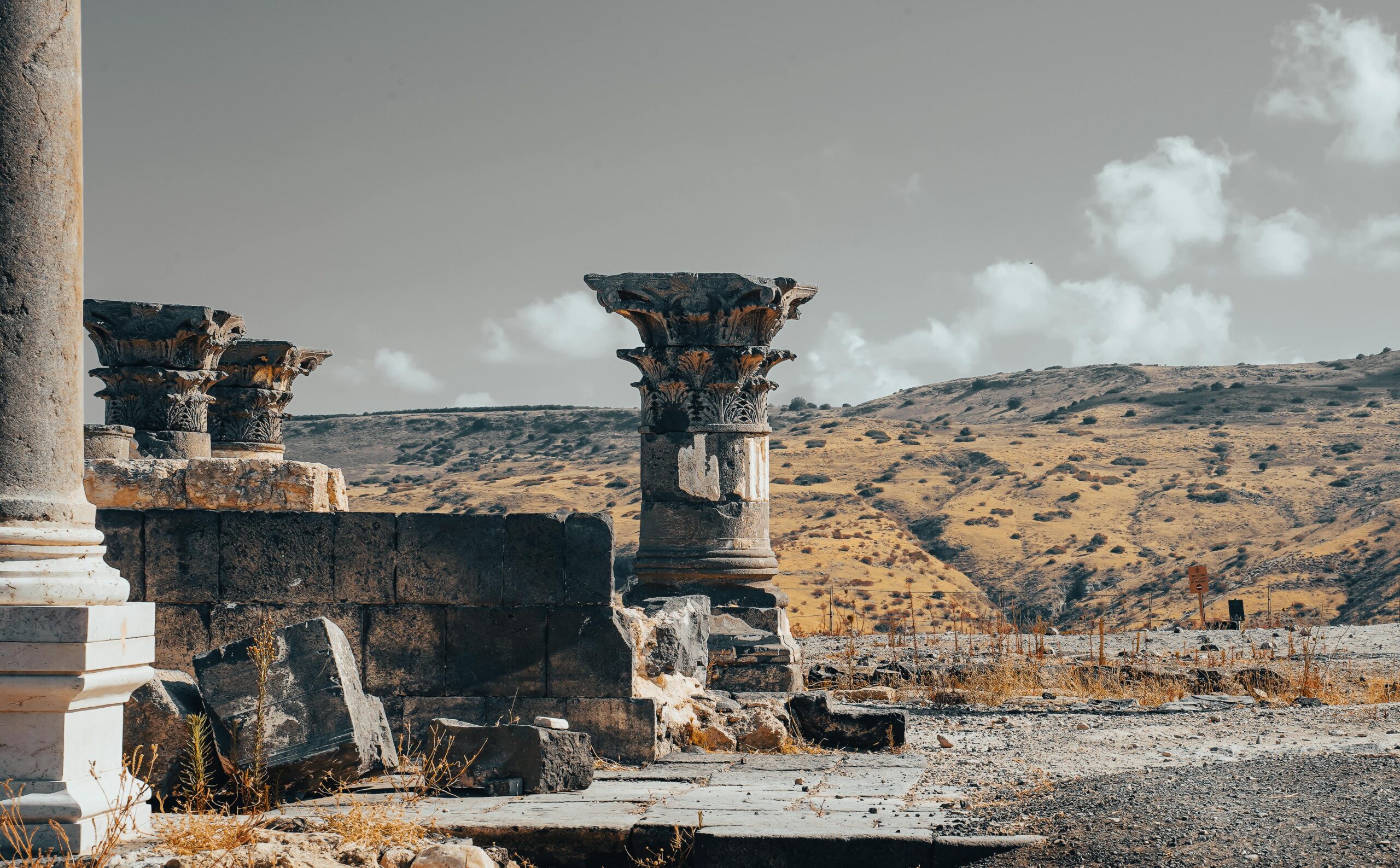
🔮 The Future of Lost Legacy Discovery
As technology advances and previously inaccessible regions become explorable, we can expect continued revelations about forgotten civilizations. Underwater archaeology will likely uncover coastal settlements now beneath the waves. Remote sensing technology will reveal cities buried by jungle, sand, or soil.
Genetic analysis offers another avenue for understanding lost peoples. DNA from ancient remains reveals migration patterns, relationships between populations, and even the appearance and health of vanished societies. Isotope analysis of bones tells us what they ate and where they traveled.
The decipherment of unknown scripts remains one of archaeology’s great frontiers. Artificial intelligence and machine learning now assist in pattern recognition, offering hope that scripts like the Indus Valley writing or Rongorongo might finally reveal their secrets.
These forgotten civilizations serve as humbling reminders that human achievement, no matter how grand, remains vulnerable to time’s erosive power. Yet they also testify to humanity’s persistent creativity, adaptability, and drive to create meaning and beauty. The legacies they left behind, though fragmentary, continue to inspire wonder and teach valuable lessons about our shared human journey through time.
As we uncover these lost worlds, we’re not just learning about the past—we’re discovering forgotten chapters of our own story, recognizing that modern civilization stands on foundations built by countless societies, many now lost to memory but no less important to the human narrative.
