
Anúncios
Symbols once commanded reverence and unified civilizations. Today, their power diminishes as digital noise drowns meaning and commodification strips away sacred resonance.
🔱 The Ancient Language That Shaped Humanity
Throughout human history, symbols have served as the cornerstone of cultural identity, religious devotion, and social cohesion. From the pyramids of Egypt to the Christian cross, from the yin-yang of Taoism to the democratic symbols of ancient Athens, these visual representations carried weight far beyond their physical form. They were vessels of collective memory, repositories of shared values, and bridges connecting the mundane with the transcendent.
Anúncios
The power of symbols rested in their ability to compress complex philosophical systems into recognizable forms. A single image could evoke entire cosmologies, moral frameworks, and historical narratives. Warriors would die defending flags. Pilgrims would travel continents to glimpse sacred emblems. Communities would gather around totems that defined their very existence. This wasn’t mere superstition—it was the architecture of meaning itself.
Ancient civilizations understood something fundamental: symbols create reality as much as they represent it. When Egyptian pharaohs commissioned hieroglyphic inscriptions, they weren’t simply recording history—they were actively shaping cosmic order. When medieval Europeans beheld stained glass windows depicting biblical scenes, they experienced theology as immediate, visceral truth rather than abstract doctrine.
Anúncios
📱 The Digital Deluge and Symbolic Saturation
The modern world presents an unprecedented challenge to symbolic power: oversaturation. We encounter thousands of images daily—corporate logos, emoji, memes, brand identities, political symbols, and advertising icons. This relentless bombardment has fundamentally altered our relationship with visual meaning.
Where symbols once appeared rarely and in carefully controlled contexts, they now proliferate wildly across every digital surface. The average person sees more symbolic content before breakfast than a medieval peasant might have encountered in a year. This abundance paradoxically creates scarcity—scarcity of attention, of reverence, of the contemplative space required for symbols to resonate deeply.
Social media platforms have accelerated this devaluation. Emoji have become the hieroglyphics of our age, yet they carry a fraction of the weight their ancient predecessors commanded. A heart emoji sent casually in a text message cannot bear the same significance as a heart symbol carved into a medieval cathedral. The ease of reproduction and transmission strips symbols of their aura, their sacred untouchability.
The Commodification Crisis
Perhaps nothing has eroded symbolic power more thoroughly than commercialization. Corporations have weaponized the human need for meaning, transforming profound symbols into marketing tools. Religious iconography adorns fashion accessories. Revolutionary imagery sells soft drinks. National flags become product packaging.
This commodification doesn’t merely appropriate symbols—it hollows them out. When the peace symbol appears on mass-produced t-shirts manufactured in exploitative conditions, the cognitive dissonance creates symbolic emptiness. The form remains, but the substance evaporates. We’re left with aesthetic shells devoid of authentic meaning.
⚖️ The Postmodern Predicament: Irony and Detachment
Contemporary culture’s relationship with symbols is complicated by layers of ironic detachment. We’ve become sophisticates who pride ourselves on seeing through symbolic manipulation. Advertising literacy has made us cynical interpreters, always searching for the commercial motive behind the inspiring image.
This critical stance, while valuable in protecting us from manipulation, comes at a cost. The ironic distance we maintain prevents genuine symbolic engagement. We can no longer surrender to symbols with the wholehearted belief that gave them power. We’re perpetually outside, analyzing rather than experiencing, deconstructing rather than being constructed by the symbols we encounter.
Postmodern philosophy has celebrated this condition, arguing that all symbols are arbitrary constructs anyway—social fictions without inherent meaning. While intellectually defensible, this position leaves us spiritually homeless. Humans don’t thrive in a purely deconstructed symbolic landscape. We need myths, metaphors, and visual anchors for our collective imagination.
🌍 When Shared Meaning Fractures
The fading power of symbols reflects and reinforces social fragmentation. In pluralistic societies, we lack consensus about which symbols deserve reverence. What inspires devotion in one community provokes controversy in another. This symbolic pluralism can be healthy, preventing authoritarian symbol manipulation, but it also prevents the formation of unifying iconography.
National symbols illustrate this challenge particularly well. Flags, anthems, and monuments that once commanded near-universal respect within nations now spark fierce debate. Different groups project competing meanings onto the same symbols, fragmenting their power. A symbol that divides cannot unify, and unity was historically symbols’ primary function.
The loss of shared symbolic language makes collective action more difficult. Movements struggle to create icons that resonate across demographic boundaries. Without powerful symbols to rally around, communities become collections of individuals rather than cohesive wholes. The social fabric itself begins to fray when the symbolic threads that hold it together lose their tensile strength.
The Search for Authentic Connection
Paradoxically, the same forces diminishing traditional symbolic power have created hunger for authentic symbolic experiences. This manifests in various ways across contemporary culture. The explosion of interest in tattoos represents people literally inscribing permanent symbols onto their bodies—a desperate bid for meaningful iconography in an ephemeral world.
Similarly, the popularity of pilgrimage tourism, even among non-religious people, suggests deep yearning for encounters with powerful symbols and sacred spaces. People still travel to see the Sistine Chapel, Stonehenge, or the Taj Mahal, seeking experiences that transcend ordinary perception. These journeys represent attempts to reconnect with symbol’s original power—to stand in the presence of something that means more than itself.
🎭 Cultural Appropriation and Symbolic Displacement
The globalized world has created complex dynamics around symbolic ownership and authenticity. As symbols circulate globally, they often become detached from their original contexts and communities. This displacement raises important questions about who has the right to use certain symbols and under what circumstances.
Indigenous symbols provide clear examples. When sacred iconography from Native American, Aboriginal, or other indigenous cultures appears in commercial contexts or as fashion statements, it typically loses all connection to the worldviews and practices that gave it meaning. The symbol becomes a floating signifier, aesthetically interesting but spiritually vacant.
This phenomenon extends beyond indigenous contexts. Religious symbols from various traditions circulate as decorative elements, divorced from their theological significance. Tibetan prayer wheels become garden ornaments. Sanskrit mantras become trendy tattoos for people who don’t know their meanings. The symbols persist, but their power dissipates through misunderstanding and misuse.
🔄 Technology’s Double-Edged Impact
Digital technology has fundamentally transformed how symbols function in society. On one hand, technology enables unprecedented symbolic creativity and dissemination. Graphic design tools democratize symbol creation. Social media allows symbols to spread globally within hours. Digital archives preserve endangered symbolic traditions.
Yet technology simultaneously undermines symbolic power. Screen-mediated experience lacks the physical immediacy that historically grounded symbolic encounters. Viewing an icon on a smartphone differs qualitatively from encountering it in a temple, cathedral, or natural setting. The multisensory, embodied experience that once amplified symbolic meaning gets flattened into pixels on glass.
Virtual reality and augmented reality technologies promise to restore some experiential depth to symbolic encounters. Imagine virtually visiting Mecca during Hajj or standing within a reconstructed ancient temple. These technologies might create new forms of symbolic power—or they might further distance us from authentic engagement with meaning-laden objects and spaces.
Algorithmic Curation and Symbolic Echo Chambers
Social media algorithms create personalized symbolic universes. We encounter symbols that reinforce our existing beliefs while being shielded from symbols that might challenge or expand our perspectives. This algorithmic curation intensifies symbolic fragmentation, ensuring that different groups literally see different worlds.
The result is symbolic tribalism. Political movements develop elaborate iconographies that members recognize instantly but outsiders find opaque or threatening. These insular symbol systems strengthen in-group identity but prevent cross-cultural communication. We end up speaking different symbolic languages with no shared vocabulary for dialogue.
💡 Reclaiming Symbolic Power: Possible Pathways Forward
Despite the challenges, symbols haven’t entirely lost their power—they’ve transformed. Understanding these transformations might help us cultivate meaningful symbolic engagement in the contemporary world. Several approaches show promise for reconnecting with symbol’s deeper potential.
First, we might practice what could be called “symbolic mindfulness”—deliberate, contemplative engagement with select symbols rather than passive consumption of symbolic noise. This means choosing a few symbols that genuinely resonate and spending time with them, studying their histories, meditating on their meanings, and allowing them to work on our consciousness.
Second, creating new symbols rooted in contemporary concerns could generate fresh meaning. Environmental movements have developed powerful iconography around climate change and biodiversity loss. These symbols, like the extinction rebellion hourglass or various representations of endangered species, carry genuine urgency because they connect to lived experience and shared threats.
The Role of Ritual and Context
Symbols derive much of their power from ritual contexts. A candle flame in a birthday cake differs from a candle in a memorial service, though the physical object remains identical. The ritual frame activates symbolic meaning. Therefore, cultivating meaningful rituals—whether religious, secular, personal, or communal—can restore symbolic potency.
This might involve rediscovering traditional practices or creating new ones. Monthly community gatherings around shared symbols, personal rituals marking life transitions, or collective ceremonies honoring values can all recharge symbolic batteries. The key is intentionality—approaching symbols with the understanding that they require our active participation to remain powerful.
🌟 The Irreplaceable Function of Symbols
Even as traditional symbols fade, their function remains irreplaceable. Humans are fundamentally symbolic creatures. We don’t experience reality directly but through layers of meaning and interpretation. Symbols provide the vocabulary for this meaning-making process. Without them, we’re lost in a wilderness of pure data, unable to distinguish significance from noise.
Psychology confirms this. Studies show that people exposed to meaningful symbols demonstrate increased resilience, clearer values, and stronger social bonds. Symbols literally shape neural pathways, influencing how we perceive and respond to experience. They’re not mere decorations on the surface of life—they’re cognitive tools that structure consciousness itself.
The question isn’t whether we’ll have symbols in the future, but which symbols will shape us and how we’ll engage with them. Will we passively consume whatever iconography corporations and algorithms feed us, or will we actively cultivate relationships with symbols that genuinely serve human flourishing?
🎨 Art, Beauty, and the Symbolic Impulse
Artists have always been our symbolic innovators, creating new visual languages that capture emerging realities. Contemporary art continues this tradition, though often working against symbolic grain—deliberately creating ambiguity, resisting interpretation, refusing to provide comforting meanings.
Yet even this resistance represents a form of symbolic engagement. When artists create works that challenge, disturb, or perplex, they’re often responding to the crisis of meaning in contemporary life. Their difficult works mirror our difficult relationship with symbols—fragmented, uncertain, but still searching for connection and significance.
The most powerful contemporary art often works by reinvigorating dormant symbols or creating new ones that speak to present conditions. Street art and graffiti cultures, for instance, have developed rich symbolic vocabularies that resonate with urban populations worldwide. These symbols carry meaning precisely because they emerge organically from communities rather than being imposed from above.
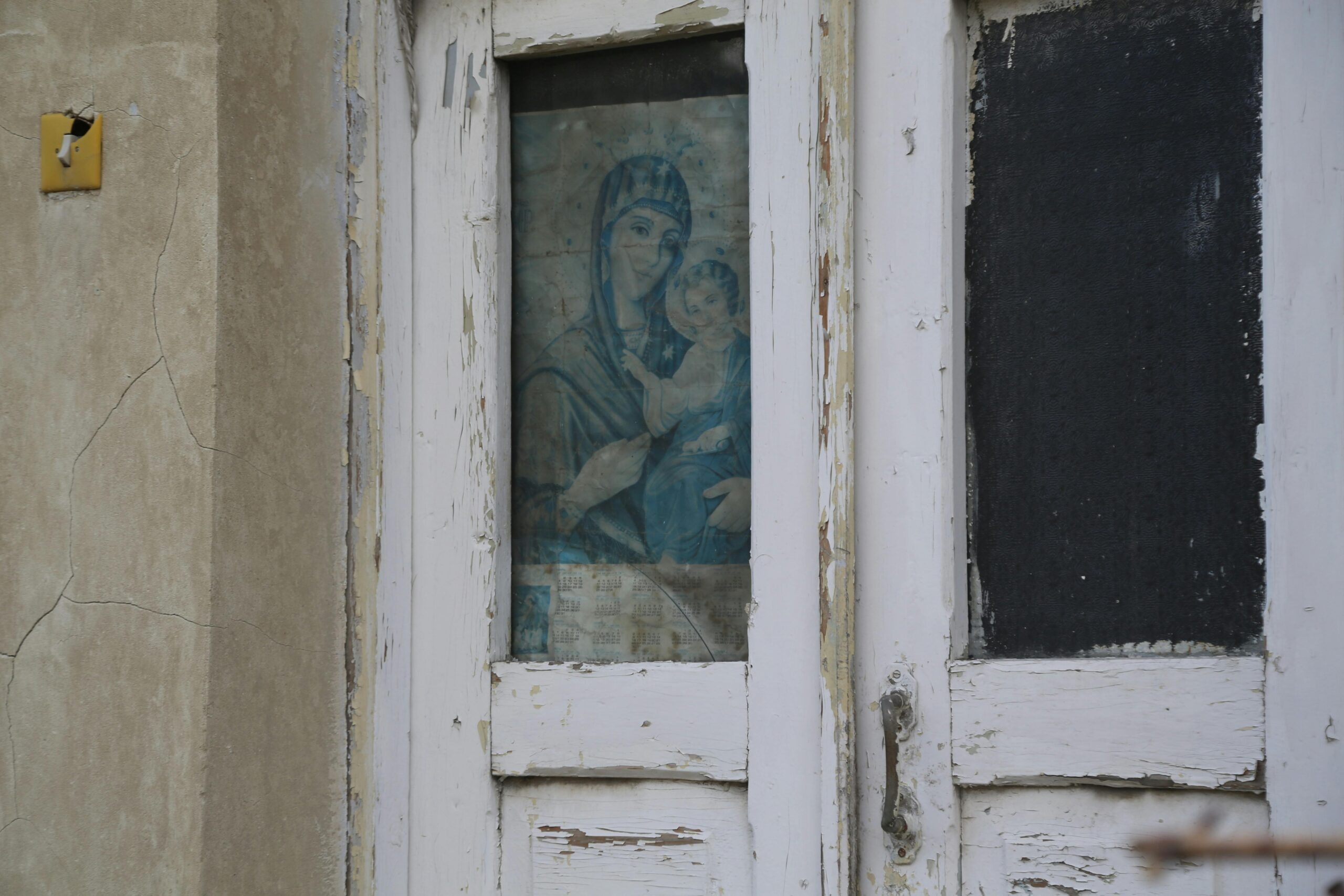
⏳ The Long View: Cycles of Symbolic Death and Rebirth
Historical perspective suggests that symbolic power waxes and wanes across civilizations. The Roman Empire’s symbols eventually lost their grip. Medieval Christian iconography dominated Europe for centuries before reformations challenged image worship. Every symbolic order eventually faces crisis, dissolution, and replacement.
We may be living through such a transition period—between symbolic systems rather than within one. The old symbols haven’t entirely died, but new ones haven’t fully emerged. This liminal space feels disorienting, but it’s also creative. The symbols that will shape future generations are being born now, in subcultures, artistic movements, spiritual communities, and technological innovations.
Our responsibility is tending this symbolic garden—preserving what remains vital from traditional iconographies while remaining open to authentic new forms. This requires discernment, distinguishing between symbols that genuinely carry meaning and those that merely simulate it. It requires patience, understanding that symbolic power accumulates slowly through repeated use and collective investment.
The fading of icons doesn’t signal the end of symbolic life but rather its transformation. Symbols will continue shaping human consciousness as they’ve done for millennia, though perhaps in forms we don’t yet recognize. Our challenge is remaining awake to this process, active participants in the ongoing creation of meaning rather than passive consumers of increasingly empty signs. The power of symbols may be lost in some domains, but it remains latent, waiting for communities willing to breathe life back into meaningful forms. This work—recovering, creating, and honoring symbols that serve authentic human needs—may be among the most important cultural tasks of our age.
