
Anúncios
Throughout human history, the paradox of sacrifice has shaped civilizations, sparked innovation, and fueled personal transformation. What we willingly surrender often becomes the fertile ground from which our greatest achievements emerge.
🌱 The Ancient Wisdom of Letting Go
The concept that sacrifice breeds creation isn’t merely philosophical speculation—it’s woven into the fabric of nature itself. Every autumn, trees surrender their leaves, channeling energy inward to survive winter and burst forth with renewed vigor come spring. This cyclical pattern of release and regeneration mirrors the transformative journey humans undertake when we choose to give something precious for something greater.
Anúncios
Ancient cultures understood this principle intimately. The phoenix rising from ashes, the butterfly emerging from the chrysalis, and the seed that must break apart to sprout—these universal symbols speak to a fundamental truth about existence. Growth demands sacrifice. Creation requires destruction of what came before.
In mythology across continents, creation stories frequently involve divine sacrifice. The Norse god Odin hung himself from Yggdrasil for nine nights, sacrificing himself to himself, to gain the wisdom of the runes. In Hindu cosmology, the cosmic being Purusha was sacrificed to create the world and all its inhabitants. These narratives aren’t just stories—they’re encoded wisdom about the price of bringing something new into existence.
Anúncios
The Psychology Behind Transformative Giving
Modern psychology has begun to validate what ancient wisdom keepers always knew. When we sacrifice—whether time, resources, comfort, or ego—we activate profound psychological mechanisms that facilitate personal growth and creative breakthrough.
Research in behavioral economics demonstrates that people who practice voluntary sacrifice report higher levels of life satisfaction. This phenomenon, known as the “helper’s high,” occurs when giving activates reward centers in the brain, releasing dopamine and creating a positive feedback loop. But the benefits extend far beyond temporary pleasure.
Sacrifice forces prioritization. When resources are unlimited, we rarely develop the ingenuity that constraints inspire. Artists working with limited palettes often produce more innovative work than those with unlimited options. Entrepreneurs bootstrapping startups frequently outmaneuver well-funded competitors through creative problem-solving born from necessity.
The Neurological Foundations of Creative Sacrifice
Neuroscience reveals that sacrifice activates multiple brain regions simultaneously. The prefrontal cortex engages in executive decision-making, weighing costs against potential benefits. The anterior cingulate cortex processes the emotional discomfort of loss. Meanwhile, the brain’s reward system anticipates future gains, creating a unique neurological state conducive to innovation.
This cognitive tension—holding both loss and potential simultaneously—appears to enhance creative thinking. Studies show that individuals who regularly engage in meaningful sacrifice demonstrate increased cognitive flexibility, better problem-solving abilities, and enhanced capacity for abstract thinking.
💡 Personal Transformation Through Deliberate Sacrifice
The most profound personal transformations often begin with a conscious choice to surrender something valuable. This might mean sacrificing:
- Comfortable routines that no longer serve growth
- Relationships that drain rather than nourish
- Career security for entrepreneurial uncertainty
- Material possessions for experiential freedom
- Social approval for authentic self-expression
- Immediate gratification for long-term fulfillment
Consider the parent who sacrifices career advancement to prioritize family, or the executive who abandons a lucrative position to pursue meaningful work. These decisions involve real loss—financial security, status, predictability. Yet they frequently unlock creative potential that remained dormant under the weight of unfulfilling obligations.
The Entrepreneurial Spirit of Sacrifice
Entrepreneurship exemplifies the sacrifice-creation dynamic. Every successful business begins with founders sacrificing stability, investing time and capital with no guarantee of return. The willingness to risk failure, to endure lean years, and to persist through setbacks separates those who create lasting value from those who merely dream about it.
Steve Jobs famously dropped out of college but continued auditing classes that interested him, including calligraphy. This sacrifice of conventional education for personalized learning later influenced the beautiful typography that distinguished Apple products. His willingness to be fired from his own company—a devastating sacrifice at the time—ultimately led to his return with the vision that transformed Apple into the world’s most valuable corporation.
🎨 Artistic Creation and the Sacrifice Imperative
Artists across disciplines understand viscerally that creation demands sacrifice. The sculptor sees the finished form within raw stone and sacrifices excess material to reveal it. The writer murders darlings—deleting beloved passages that don’t serve the larger work. The musician practices scales for countless hours, sacrificing immediate pleasure for eventual mastery.
Vincent van Gogh sacrificed conventional success, financial security, and ultimately his mental health in service to his artistic vision. During his lifetime, he sold only one painting. Yet his unwavering commitment to creative expression, despite enormous personal cost, produced works that continue inspiring millions more than a century later.
This pattern repeats throughout artistic history. Emily Dickinson lived in near-total isolation, sacrificing social connection to develop her unique poetic voice. Frida Kahlo transmuted physical suffering into profound artistic expression. The willingness to sacrifice comfort, convention, and sometimes sanity itself appears integral to groundbreaking creative work.
The Spiritual Dimensions of Sacrifice and Renewal
Virtually every spiritual tradition emphasizes sacrifice as a pathway to enlightenment, connection, or transcendence. Fasting sacrifices physical nourishment to sharpen spiritual awareness. Meditation sacrifices mental chatter for inner peace. Monastic vows sacrifice worldly pleasures for contemplative depth.
These practices aren’t about deprivation for its own sake. Rather, they recognize that clutching tightly to the familiar prevents openness to transformation. The spiritual seeker learns to hold possessions, identities, and even beliefs lightly, creating space for renewal and growth.
Modern Mindfulness and Strategic Sacrifice
Contemporary mindfulness practices adapt ancient wisdom about sacrifice for modern contexts. Digital detoxes sacrifice constant connectivity for present-moment awareness. Minimalism movements sacrifice accumulation for intentional living. Sabbatical practices sacrifice career momentum for reflection and renewal.
These aren’t rejections of modern life but strategic sacrifices that create space for what matters most. By deliberately limiting options, practitioners discover enhanced creativity, deeper relationships, and greater life satisfaction.
🌍 Collective Sacrifice and Societal Innovation
The sacrifice-creation dynamic operates not just individually but collectively. Societies advance when enough people sacrifice immediate self-interest for communal benefit. Every public park represents sacrifice—private land surrendered for shared enjoyment. Universal education systems exist because societies chose to sacrifice tax revenue for collective advancement.
The most significant social movements require tremendous sacrifice from participants. Civil rights activists sacrificed safety, employment, and sometimes lives to create a more just society. Environmental activists sacrifice convenience and consumption to preserve ecosystems for future generations. These collective sacrifices seed transformations that benefit people far beyond those who made the initial investment.
The Innovation Economy and Creative Destruction
Economic theorist Joseph Schumpeter coined the term “creative destruction” to describe how innovation requires dismantling existing systems. Each technological revolution sacrifices established industries and jobs while creating new possibilities. Automobiles destroyed the horse-and-buggy industry but birthed modern transportation infrastructure. The internet obliterated countless traditional businesses while enabling unprecedented global connection and innovation.
This pattern continues accelerating. Organizations that cling desperately to outdated business models eventually collapse. Those that willingly sacrifice profitable present operations for uncertain future possibilities—like Netflix abandoning DVD rentals for streaming—position themselves to lead transformation rather than become its casualties.
⚡ The Paradox of Control Through Surrender
One of sacrifice’s most counterintuitive aspects is how surrendering control often increases effectiveness. Athletes describe “the zone”—peak performance states characterized by effortless action. Achieving this state requires sacrificing conscious control, allowing trained instincts to operate without interference.
Similarly, creative breakthroughs often emerge when we stop forcing solutions and allow unconscious processing to work. The term “incubation” describes how stepping away from problems—sacrificing focused effort—frequently enables insights that direct attack couldn’t produce.
This principle extends throughout life. Parents who sacrifice controlling their children’s every decision often raise more independent, capable adults. Leaders who sacrifice micromanagement for employee empowerment build stronger organizations. The willingness to relinquish tight control paradoxically creates conditions for better outcomes.
🔄 Renewal Cycles: Nature’s Blueprint for Transformation
Nature operates in renewal cycles that balance sacrifice and creation. Forest fires, devastating in the short term, clear accumulated deadwood and release nutrients that enable new growth. Many plant species evolved seeds that only germinate after fire exposure. Destruction and creation intertwine inseparably.
Recognizing these patterns helps reframe personal and organizational challenges. Setbacks aren’t merely obstacles but potential catalysts for innovation. Job losses can spark career reinventions. Failed relationships create space for healthier partnerships. Business failures teach lessons that inform future success.
The key lies in approaching sacrifice intentionally rather than passively enduring loss. When we consciously choose what to release and why, we transform from victims of circumstance into architects of transformation.
Practical Wisdom: Implementing Sacrifice for Creation
Understanding the transformative power of sacrifice is valuable only when translated into action. Here are principles for harnessing this dynamic effectively:
- Identify what no longer serves: Regularly audit commitments, possessions, and habits. Release those that drain energy without providing corresponding value.
- Sacrifice strategically: Not all sacrifice produces equal returns. Prioritize surrendering what prevents growth in favor of investments aligned with core values and long-term goals.
- Embrace temporary discomfort: Meaningful transformation rarely feels comfortable initially. Accept that the sacrifice period precedes creative emergence.
- Create space before filling it: Resist immediately replacing what you’ve released. Allow emptiness to exist, creating genuine openness for new possibilities.
- Document the process: Track what you sacrifice and what emerges. Over time, patterns become visible that inform future decisions.
- Build support systems: Significant sacrifices are easier with community support. Share intentions with trusted individuals who can provide encouragement during difficult periods.
🌟 The Courage to Begin Again
Every creation requires a beginning, and every beginning demands sacrificing the comfort of the familiar. The blank canvas confronts the artist with infinite possibility and paralyzing uncertainty. The entrepreneur faces similar emptiness when abandoning secure employment for unknown ventures. The spiritual seeker encounters the void when releasing cherished beliefs.
This courage to begin—to sacrifice what is for what might be—represents perhaps humanity’s most essential quality. Without it, we’d remain forever trapped in inherited patterns, unable to adapt, evolve, or transcend current limitations.
History’s most celebrated figures share this willingness to sacrifice security for possibility. They demonstrate that greatness doesn’t emerge from playing it safe but from bold commitments to visions others deemed impossible or impractical.
From Personal Practice to Universal Principle
The relationship between sacrifice and creation operates as a fundamental principle of existence. At quantum levels, particles pop into and out of existence in ongoing creation-destruction cycles. Stars forge heavy elements through nuclear fusion, sacrificing hydrogen to create the building blocks of planets and life itself. Even our bodies continuously sacrifice old cells to create new ones, completely replacing most tissues over time.
This universal pattern suggests that resistance to sacrifice might represent resistance to life itself. Growth, evolution, and transformation aren’t optional extras but existence’s essential nature. By aligning personal practices with this fundamental rhythm, we work with reality’s grain rather than against it.
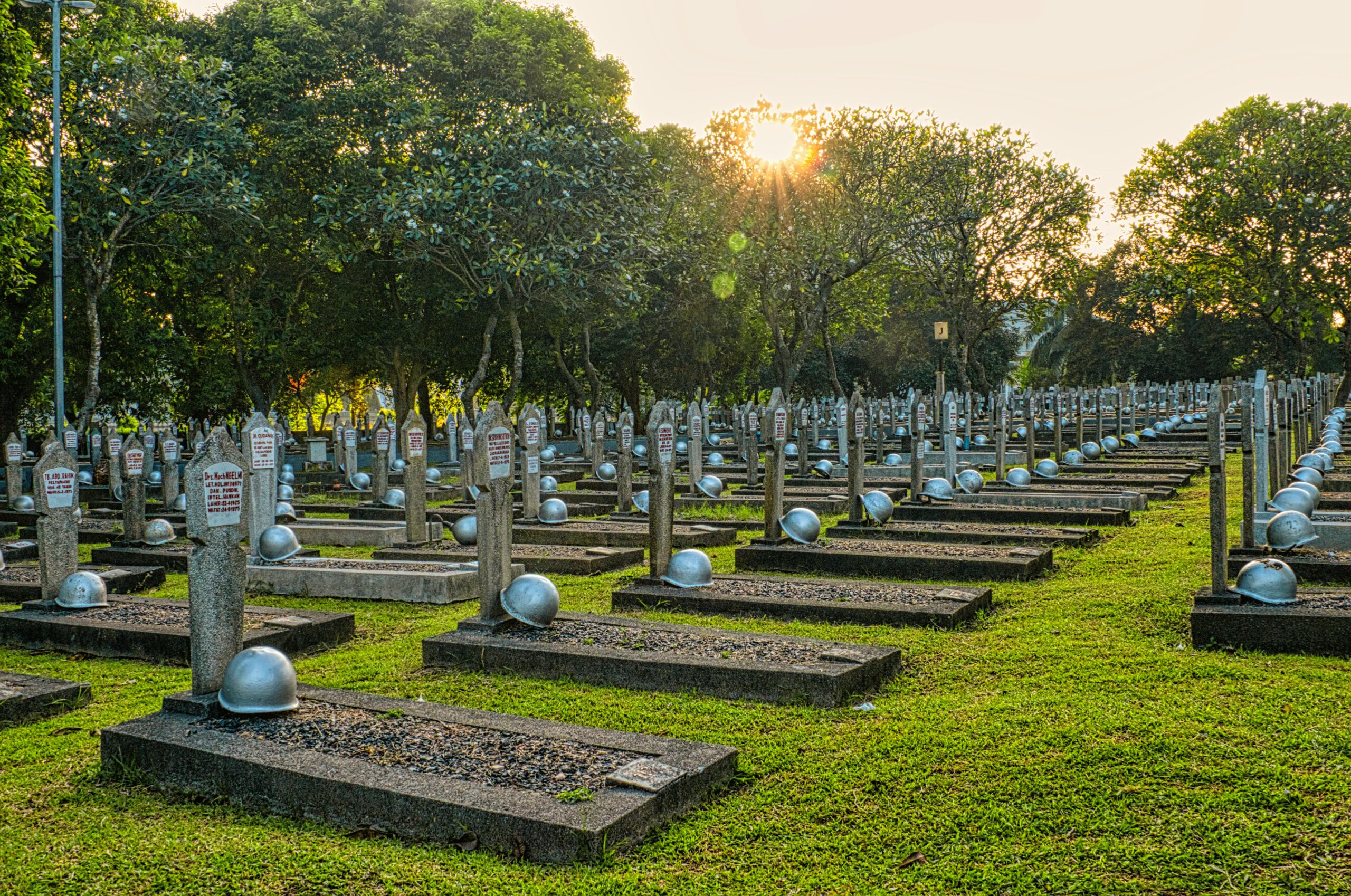
The transformative power of sacrifice and renewal offers profound hope. Nothing need remain permanently broken or stuck. No situation exists beyond potential transformation. What seems like ending always contains seeds of beginning. Loss creates space for gain. Death enables rebirth.
💫 Embracing the Creative Cycle
Ultimately, recognizing that sacrifice springs creation invites a fundamentally different relationship with change, challenge, and uncertainty. Rather than clinging desperately to current conditions, we can approach life as an ongoing creative practice—continuously releasing what no longer serves while remaining open to emergent possibilities.
This perspective doesn’t eliminate pain or difficulty. Sacrifice involves genuine loss, and healthy grief honors what we surrender. But it transforms suffering from meaningless hardship into purposeful investment in future growth.
The artist, entrepreneur, parent, activist, and seeker all understand: nothing worth creating comes without cost. The question isn’t whether to sacrifice but what to sacrifice and for what purpose. When we choose consciously, aligning sacrifices with deepest values and highest aspirations, we become active participants in the eternal dance of destruction and creation that animates existence itself.
From the ashes of what we willingly release, new forms emerge—often more beautiful, meaningful, and aligned with our authentic selves than what came before. This is the promise and power of sacrifice: that through giving, we receive; through releasing, we gain; through ending, we begin again, forever renewed and endlessly creative.
