
Anúncios
Throughout human history, gods and goddesses have risen and fallen from collective memory, their temples crumbling into dust as civilizations evolve and new beliefs take root.
🌟 The Eternal Cycle of Divine Memory and Forgetfulness
The concept of forgotten deities is not merely a relic of ancient mythology—it represents a profound cultural phenomenon that continues to resonate in our modern world. When we speak of reawakening the divine, we’re exploring how civilizations reconnect with spiritual traditions that have been buried beneath layers of time, conquest, and cultural transformation.
Anúncios
Every major civilization has experienced periods where certain deities fell out of favor, their worship abandoned for political, religious, or social reasons. The Egyptian pantheon was systematically dismantled during the rise of Christianity. Norse gods were relegated to folklore after Christianization swept through Scandinavia. Celtic deities became fairy tales whispered around hearths rather than honored in sacred groves.
Yet something remarkable happens when a culture begins to rediscover these lost divine figures. The process of mythical revival isn’t simply academic curiosity—it represents a deeper psychological and spiritual need to reconnect with ancestral wisdom and identity. This reawakening often occurs during periods of cultural upheaval, when people seek meaning beyond contemporary religious or philosophical frameworks.
Anúncios
📜 Archaeological Discoveries That Resurrect Divine Narratives
The physical rediscovery of ancient temples, texts, and artifacts has played a crucial role in bringing forgotten deities back into cultural consciousness. When archaeologists unearthed the Epic of Gilgamesh in the 19th century, they didn’t just discover an ancient story—they reintroduced the world to Mesopotamian gods like Ishtar, Enkidu, and the divine hierarchy that ruled the fertile crescent for millennia.
The decipherment of Egyptian hieroglyphics through the Rosetta Stone transformed gods like Thoth, Sekhmet, and Bastet from mysterious symbols into fully-realized divine personalities with complex mythologies. These weren’t abstract concepts anymore—they became accessible spiritual archetypes that people could study, understand, and even incorporate into modern spiritual practices.
Similarly, the excavation of Minoan Crete revealed evidence of goddess-centered worship that challenged prevailing assumptions about ancient Mediterranean religion. The Snake Goddess figurines suggested a sophisticated theological system centered on feminine divine power, sparking renewed interest in goddess spirituality that continues to influence contemporary paganism and feminist theology.
The Digital Age of Divine Rediscovery
Technology has accelerated the pace of mythical revival in unprecedented ways. Digital archives make ancient texts accessible to anyone with internet connectivity. Online communities gather around obscure deities, sharing research, rituals, and personal spiritual experiences. Social media platforms have become modern temples where devotees of forgotten gods gather to worship and share knowledge.
Scholarly databases containing thousands of cuneiform tablets, papyrus fragments, and medieval manuscripts allow researchers to piece together fragmentary evidence of divine figures who barely survived in historical memory. What might have taken decades of library research can now be accomplished in hours, enabling a more rapid reconstruction of lost mythological systems.
🔮 The Psychology Behind Divine Revival
Why do certain forgotten deities capture modern imagination while others remain obscure? The answer lies in complex psychological and cultural factors that determine which divine archetypes resonate with contemporary spiritual needs.
Depth psychologist Carl Jung proposed that gods and goddesses represent archetypal patterns within the collective unconscious—universal psychological structures shared across humanity. When a forgotten deity is revived, it’s often because that archetype addresses an unfulfilled spiritual or psychological need in the current culture.
For example, the modern revival of interest in dark goddesses like Kali, Hecate, and the Morrigan reflects a cultural shift toward embracing shadow aspects of spirituality. These fierce feminine deities offer alternative models to gentler, more domesticated divine figures, appealing to those seeking empowerment through confronting life’s destructive and transformative aspects.
Cultural Identity and Ancestral Connection
Many mythical revivals are driven by communities seeking to reclaim cultural heritage that was suppressed through colonization, forced conversion, or cultural assimilation. The resurgence of indigenous spirituality worldwide often centers on reawakening traditional deities and spiritual practices that were actively discouraged or forbidden by dominant cultures.
In Hawaii, the traditional worship of deities like Pele, Lono, and Kanaloa has experienced significant revival as part of broader Hawaiian cultural renaissance. What missionaries once dismissed as primitive superstition is now understood as a sophisticated theological system deeply connected to ecological understanding and cultural identity.
Similarly, Baltic countries like Lithuania have seen renewed interest in pre-Christian deities such as Perkūnas and Laima as expressions of national identity distinct from centuries of foreign domination. These divine figures become symbols of cultural continuity and resistance against historical erasure.
⚡ The Mechanics of Mythical Reconstruction
Reviving a forgotten deity isn’t straightforward—it requires piecing together fragmentary evidence from multiple sources and making interpretive decisions about how to fill inevitable gaps in knowledge. This process involves several distinct approaches:
- Textual Reconstruction: Analyzing surviving manuscripts, inscriptions, and historical references to build a coherent picture of the deity’s attributes, mythology, and worship practices.
- Comparative Mythology: Using related deities from neighboring cultures to infer characteristics of poorly documented divine figures.
- Archaeological Evidence: Interpreting temple layouts, votive offerings, and religious artifacts to understand ritual practices and theological concepts.
- Linguistic Analysis: Studying the etymology and evolution of divine names to reveal hidden attributes and connections.
- Intuitive Reconstruction: Modern practitioners using meditation, ritual, and spiritual experience to connect with divine energies, supplementing scholarly research with personal gnosis.
Each approach has strengths and limitations. Academic reconstruction prioritizes historical accuracy but may produce skeletal frameworks lacking spiritual vitality. Intuitive approaches create vibrant, personally meaningful relationships with divine figures but risk projecting contemporary values onto ancient deities.
The Question of Authenticity
One of the most contentious issues in divine revival concerns authenticity—how closely should modern worship resemble ancient practices? Some practitioners insist on historical accuracy, attempting to recreate ancient rituals as precisely as limited evidence allows. Others argue that living religions must evolve, adapting ancient deities to contemporary contexts and values.
This tension reflects deeper questions about the nature of divinity itself. Are gods eternal, unchanging beings who exist independently of human belief? Or are they collaborative creations shaped through ongoing interaction between divine and human consciousness? The answer profoundly affects how practitioners approach reviving forgotten deities.
🌍 Case Studies in Divine Reawakening
Examining specific examples of mythical revival reveals diverse patterns and outcomes. Each case demonstrates different motivations, methods, and cultural impacts of reawakening forgotten divine figures.
The Celtic Revival and the Return of the Tuatha Dé Danann
The revival of Celtic spirituality represents one of the most successful modern divine reawakenings. Gods and goddesses like Brigid, the Dagda, and the Morrigan have transitioned from obscure medieval manuscripts to active worship by thousands of modern pagans worldwide.
This revival began in earnest during the 19th century Celtic Twilight movement, when poets and scholars like W.B. Yeats romanticized Irish mythology and folklore. While early revivalists often misunderstood or idealized Celtic spirituality, they sparked interest that led to more rigorous scholarship and authentic spiritual reconstruction.
Today, Celtic reconstructionist movements attempt to practice pre-Christian Irish and Scottish religion based on historical and archaeological evidence, while Celtic neo-pagans freely adapt ancient deities to contemporary spiritual needs. Both approaches have contributed to making figures like Lugh, Cernunnos, and Danu household names in modern pagan communities.
Kemetic Orthodoxy and the Egyptian Divine
The revival of ancient Egyptian religion, known as Kemeticism, demonstrates how forgotten deities can inspire formal religious organizations in the modern world. Kemetic Orthodoxy, founded in 1988, has achieved recognition as a legitimate religious organization in several countries, with clergy, temples, and thousands of devotees.
Unlike many revivals that focus on reconstructing ancient practices, Kemetic Orthodoxy positions itself as a living continuation of Egyptian religion, acknowledging evolution while maintaining theological continuity with the ancient past. Deities like Ra, Sekhmet, and Anubis receive regular worship through rituals that balance historical precedent with contemporary accessibility.
The Egyptian revival benefits from extensive archaeological and textual evidence, allowing for relatively detailed reconstruction of ancient theology and practice. Temple inscriptions, papyrus texts, and well-preserved religious artifacts provide rich sources for understanding how ancient Egyptians related to their gods.
✨ The Future of Forgotten Deities
As we move deeper into the 21st century, the revival of forgotten deities continues to accelerate and diversify. Several trends suggest how this phenomenon may develop:
First, increasing cultural diversity and globalization expose people to mythological traditions beyond their ancestral heritage. Japanese kami, West African orishas, and Mesoamerican deities find devotees worldwide, not just within diaspora communities. This cross-cultural adoption raises important questions about cultural appropriation versus appreciation, requiring thoughtful navigation of religious boundaries and respect.
Second, environmental crisis is driving renewed interest in nature-focused deities and earth-centered spirituality. Gods and goddesses associated with wilderness, weather, and ecological balance resonate with contemporary concerns about climate change and environmental destruction. Figures like the Green Man, Gaia, and various thunder gods are being reinterpreted through ecological lenses.
Third, digital technology continues transforming how people discover and worship forgotten deities. Virtual reality could enable immersive experiences of reconstructed ancient temples. Artificial intelligence might assist in deciphering damaged texts and identifying patterns in fragmentary mythological records. Online ritual spaces allow geographically dispersed communities to worship together in real-time.
Challenges and Controversies
The revival of forgotten deities isn’t without challenges and ethical concerns. Archaeological communities sometimes clash with religious practitioners over access to sacred sites and artifacts. Museums house religious objects that modern devotees consider living divine presences, creating tension between academic preservation and spiritual practice.
Additionally, some mythical revivals become entangled with problematic political movements. Extremist groups occasionally appropriate ancient deities as symbols of racial or cultural supremacy, distorting historical evidence to support nationalist or white supremacist ideologies. Responsible practitioners must actively distance legitimate spiritual practice from such corruption.
🕊️ When Ancient Wisdom Meets Modern Spirituality
The reawakening of forgotten deities ultimately represents more than historical curiosity or spiritual nostalgia. It reflects humanity’s ongoing search for meaning, connection, and transcendence across time and cultural boundaries.
These divine revivals challenge assumptions about religious progress and evolution. Rather than viewing history as linear movement from primitive polytheism toward sophisticated monotheism or secular rationalism, mythical revival suggests that spiritual wisdom can be recovered from the past and integrated with contemporary understanding.
Forgotten deities often embody perspectives marginalized or suppressed by dominant religious traditions. Goddess spirituality challenges patriarchal theology. Indigenous deities offer alternatives to anthropocentric worldviews. Mystery cult initiations provide experiential spirituality beyond belief-centered religion.
By reawakening these divine figures, we don’t simply resurrect the past—we create dialogue between ancient wisdom and modern needs. The gods we choose to remember and revive reflect our deepest values, aspirations, and the spiritual gaps we’re seeking to fill in our contemporary world.
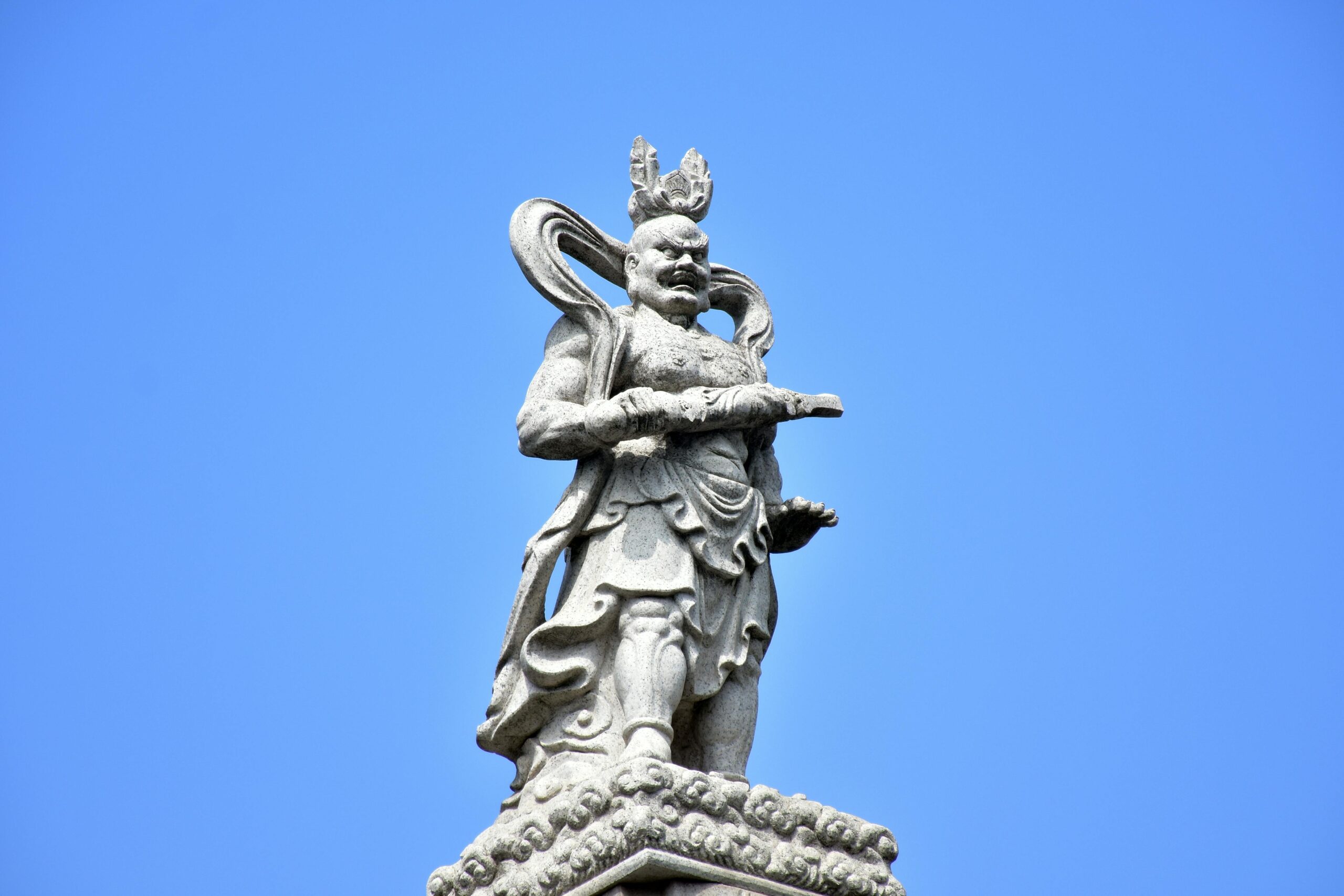
🔥 The Living Presence of Reawakened Divinity
For those who practice revival spirituality, forgotten deities aren’t mere historical curiosities—they’re living presences capable of transformation, guidance, and relationship. Personal testimonies from practitioners describe profound spiritual experiences, healing, and empowerment through connection with reawakened divine figures.
Whether these experiences reflect objective divine reality or psychological projection remains an open question that each person must answer according to their worldview. What’s undeniable is the tangible impact these revivals have on individual lives and communities.
The mythical revival of forgotten deities demonstrates religion’s fluid, dynamic nature. Gods may be forgotten, but they’re never truly lost—they sleep in texts, artifacts, and the collective unconscious, waiting for the moment when human need and divine presence converge in reawakening.
As long as humans seek meaning beyond the material world, forgotten deities will continue emerging from historical obscurity, offering ancient wisdom to address contemporary spiritual hunger. The divine, it seems, is remarkably resilient, capable of sleeping through centuries of neglect and awakening when called by sincere seekers reaching across the gulf of time.
