
Anúncios
The world stands at a crossroads where ancient certainties meet modern skepticism, and the divine whispers that once echoed through civilizations now compete with a thousand other voices.
🌅 The Dawn of Doubt: How Modernity Challenged Sacred Certainties
Throughout human history, divine power manifested itself through unwavering belief systems that structured societies, governed moral codes, and provided existential comfort. From the Egyptian pantheons to monotheistic traditions, religious frameworks offered comprehensive answers to humanity’s deepest questions. Yet something fundamental shifted as the Enlightenment ushered in an era prioritizing empirical evidence and rational inquiry over faith-based understanding.
Anúncios
The scientific revolution didn’t merely challenge specific religious doctrines—it introduced an entirely different epistemological framework. Where revelation once provided truth, experimentation now claimed authority. Where scripture offered guidance, peer-reviewed studies became the new scripture. This wasn’t a sudden rupture but a gradual erosion, like waves slowly reshaping a coastline over centuries.
Today’s landscape reflects this transformation profoundly. Church attendance in Western nations has declined precipitously, with some European countries seeing less than 10% regular participation. The sacred spaces that once served as community anchors now stand half-empty, their pews echoing with absence rather than hymns. This statistical reality tells a story beyond numbers—it reveals a fundamental reorientation of where people seek meaning, purpose, and connection.
Anúncios
The Secularization Thesis and Its Discontents
Social scientists proposed the secularization thesis, suggesting that modernization inevitably leads to religious decline. As societies industrialize, urbanize, and educate their populations, religious belief would naturally fade into irrelevance. This prediction seemed self-evident throughout the 20th century, particularly in Europe, where cathedral towns transformed into tourist destinations and theological debates moved from pulpits to museum exhibits.
However, the thesis proved incomplete. While institutional religion weakened in many contexts, spiritual seeking didn’t disappear—it metamorphosed. People didn’t stop asking transcendent questions; they simply sought answers in different places. The divine didn’t vanish; its manifestations became more diffuse, personalized, and hybrid.
🔬 Science as the New Priesthood: Authority Reimagined
The laboratory coat replaced the clerical robe in popular imagination. Scientists became the arbiters of truth, their findings disseminated through journals rather than sermons. This transition represented more than methodological change—it signaled a wholesale shift in how societies validated knowledge claims and constructed collective understanding.
Medical breakthroughs that would have seemed miraculous centuries ago became routine procedures. Diseases once attributed to divine punishment or demonic possession yielded to antibiotics and vaccines. The cosmos, once the dwelling place of gods, revealed itself as a vast expanse governed by physical laws. Each discovery pushed supernatural explanations further to the margins, confining divine action to ever-shrinking gaps in scientific understanding.
Yet this scientific ascendancy carried its own limitations. Reductionist materialism, while powerful for explaining physical phenomena, struggled with consciousness, meaning, and value. The questions that religion traditionally addressed—Why are we here? What makes life worth living? How should we treat one another?—resisted laboratory solutions. Science could describe how neurons fire but couldn’t prescribe what makes a life good.
The Limits of Empiricism
As scientific authority expanded, its boundaries became more apparent. Climate scientists issued dire warnings grounded in rigorous data, yet behavioral change lagged. Medical experts recommended evidence-based interventions, yet conspiracy theories flourished. The COVID-19 pandemic dramatically illustrated how scientific authority, while powerful, couldn’t command the universal assent that religious authorities once enjoyed.
This paradox suggests that the transition from divine to scientific authority remains incomplete and contested. People don’t simply accept expert consensus; they filter it through ideological commitments, community loyalties, and personal experiences. Authority itself has fragmented, and no single institution—religious or scientific—commands universal deference.
📱 Digital Divinities: Technology as Transcendence
Contemporary culture exhibits quasi-religious devotion toward technology and its promises. Silicon Valley entrepreneurs speak in salvific terms about disrupting death, transcending biological limitations, and creating artificial superintelligence. These aren’t merely business proposals—they’re eschatological visions promising redemption through code rather than covenant.
Social media platforms function as modern temples where people construct identities, seek validation, and participate in collective rituals. The dopamine rush from likes and shares creates reinforcement loops reminiscent of religious ecstasy. Influencers serve as prophets, algorithms as invisible deities determining what content receives visibility, what messages spread, what realities users inhabit.
Smartphone dependency reveals itself through behaviors that mirror religious observance. People check devices upon waking, consult them throughout the day, and place them bedside at night. The anxiety triggered by separation from devices—nomophobia—resembles existential dread. These rectangles of glass and silicon mediate relationships, structure time, and shape consciousness in ways once reserved for sacred texts and religious practices.
The Gospel of Innovation
Tech culture promotes a narrative of perpetual progress where each iteration brings humanity closer to some undefined but inevitable perfection. This teleological worldview echoes religious salvation histories—humanity moving from fallen state toward redemption, from limitation toward transcendence. The language surrounding artificial intelligence particularly reveals these theological undertones, with discussions of singularity, superintelligence, and post-human futures.
Critics identify these patterns as “technopoly”—the surrender of human culture to technological imperatives. When efficiency becomes the highest value, when optimization supersedes other considerations, when quantification replaces qualification, technology assumes religious functions without providing corresponding meaning or community.
🌍 The Spiritual-But-Not-Religious Phenomenon
Perhaps the most telling indicator of divine power’s transformation appears in the growing population identifying as “spiritual but not religious.” This category, virtually nonexistent decades ago, now comprises significant percentages in Western demographics. These individuals reject institutional religion’s doctrines and hierarchies while maintaining belief in transcendent dimensions of existence.
This personalized spirituality draws eclectically from various traditions—Buddhism’s mindfulness, Hinduism’s yoga, Indigenous wisdom, New Age channeling, self-help psychology—creating customized belief systems tailored to individual preferences. Rather than submitting to received tradition, practitioners curate their own spiritual paths, often described as “journeys” emphasizing personal experience over communal orthodoxy.
Consumer capitalism readily accommodates this spirituality, marketing meditation apps, healing crystals, sage bundles, and wellness retreats. Spirituality becomes another commodity purchased to enhance individual wellbeing rather than a demanding framework requiring sacrifice, community accountability, or ethical transformation. The divine becomes therapeutic rather than commanding, comforting rather than challenging.
Yoga Studios and Meditation Apps: Modern Sacred Spaces
The proliferation of wellness centers, yoga studios, and mindfulness applications reveals how spiritual seeking manifests in contemporary contexts. These spaces promise stress reduction, mental clarity, and holistic health—instrumental benefits rather than ultimate purposes. Participants seek self-improvement rather than self-transcendence, personal peace rather than cosmic connection.
This instrumentalization of spiritual practices represents a significant departure from traditional religious frameworks. Ancient contemplative traditions embedded practices within comprehensive worldviews addressing suffering’s origins, reality’s nature, and liberation’s path. Contemporary adaptations often extract techniques while discarding metaphysical commitments, therapeutic psychology replacing theology.
⚖️ Moral Authority in Flux: Ethics Without Absolutes
As divine power dims, the foundations of moral authority shift tectonically. If no transcendent lawgiver exists, what grounds ethical obligations? Secular ethics proposes various answers—human rights grounded in dignity, utilitarian calculations maximizing wellbeing, social contracts enabling cooperation. Yet these alternatives struggle to command the motivational power that divine commandments once possessed.
Contemporary moral debates reveal this uncertainty’s consequences. Without shared foundations, ethical discourse fragments into competing perspectives lacking common reference points. What one group considers obvious moral truth, another dismisses as cultural prejudice. Relativism proliferates not because people stop caring about right and wrong but because consensus about determining right and wrong dissolves.
Social justice movements attempt filling this vacuum by providing comprehensive moral visions addressing systemic injustice. These movements exhibit quasi-religious characteristics—sacred texts (foundational theorists), original sins (various forms of privilege), conversion experiences (awakening to injustice), communal practices (protests, consciousness-raising), and excommunication mechanisms (cancellation). They offer moral certainty and community belonging in ways institutional religion once provided.
The Search for Meaning Beyond Traditional Frameworks
Existential questions don’t disappear when religious answers lose credibility; they become more urgent. If no divine plan orchestrates history, individuals must construct meaning from chaos. If no afterlife awaits, earthly existence carries ultimate rather than provisional significance. If consciousness emerged from material processes, subjective experience requires explanation within naturalistic frameworks.
Philosophy, literature, and art explore these questions, but without providing consensus answers. Absurdism embraces meaninglessness; existentialism asserts radical freedom; secular humanism finds purpose in human flourishing; nihilism accepts valuelessness. This plurality reflects both freedom and fragmentation—liberation from authoritarian orthodoxy combined with disorientation from losing navigational certainties.
🕊️ The Persistent Pull: Why the Divine Endures
Despite secularization’s advances, religious belief persists globally, often vigorously. Christianity expands rapidly in Africa and Asia. Islam remains central to billions of lives. Hinduism and Buddhism continue shaping consciousness and culture. Pentecostal movements attract followers with immediate spiritual experiences. Orthodox traditions preserve ancient liturgies and theologies.
This persistence suggests that human beings possess what some scholars call “religious orientation”—cognitive and emotional predispositions toward transcendence, meaning-making, and sacred experiences. Evolutionary psychologists propose that religious capacity provided survival advantages, fostering group cohesion, moral cooperation, and existential resilience. Whether or not this explains religion’s origins, it illuminates its endurance.
Even in secular contexts, sacred structures emerge. Political ideologies function religiously, providing comprehensive worldviews, community identity, moral frameworks, and historical narratives. Nationalism creates sacred symbols (flags), holy sites (monuments), martyr stories, and rituals (anthems, pledges). Sports fandom generates passionate devotion, communal experiences, and transcendent moments. Humans seem compelled to create meaning systems serving religious functions regardless of explicit theological content.
Crisis as Catalyst for Return
Historical patterns show religious revivals often following periods of crisis and uncertainty. When established orders collapse, when suffering overwhelms rational explanation, when material progress fails delivering promised satisfaction, people turn toward transcendent resources. The current era’s multiple crises—ecological collapse, political polarization, technological disruption, pandemic threats—might catalyze renewed spiritual seeking.
Whether such seeking revitalizes traditional religions, generates novel spiritual movements, or produces something entirely unexpected remains uncertain. But the hunger for meaning, community, and transcendence that religious traditions addressed won’t disappear simply because specific institutional forms decline.
🌐 Reimagining the Sacred: Possible Futures
The slow fade of divine power doesn’t necessarily culminate in complete secularization. Instead, multiple trajectories appear possible. Religious traditions might adapt to contemporary contexts, reformulating doctrines and practices while maintaining continuity with heritage. Hybrid spiritualities could proliferate, blending elements from diverse sources into novel syntheses. Entirely new religious movements might emerge addressing modern concerns in innovative ways.
Technology will likely shape these developments profoundly. Virtual reality could enable shared spiritual experiences transcending physical limitations. Artificial intelligence might generate personalized spiritual guidance. Biotechnology could alter consciousness in ways that redefine transcendence itself. These possibilities raise profound questions about authenticity, manipulation, and what counts as genuinely spiritual experience.
Environmental crisis particularly might transform religious consciousness. Recognizing humanity’s radical interdependence with Earth’s systems could generate ecological spiritualities emphasizing interconnection rather than transcendence, immanence rather than otherworldliness, care rather than dominion. Indigenous wisdom traditions, long marginalized, might offer resources for reimagining human-nature relationships.
💭 Between Memory and Horizon: Living the Transition
Contemporary individuals inhabit this liminal space where old certainties have dissolved but new settlements haven’t solidified. This transition generates anxiety, confusion, and freedom simultaneously. Without inherited scripts dictating belief and behavior, people must navigate existence with unprecedented autonomy and corresponding responsibility.
This condition describes the human situation not as temporary aberration but perhaps as permanent feature of post-traditional societies. Rather than resolving into new consensus, pluralism itself becomes the context within which meaning-making occurs. Learning to live well amid irreducible diversity, to maintain convictions without demonizing alternatives, to seek truth while acknowledging perspective—these become essential capacities.
The dimming of divine power, understood this way, represents not simply loss but transformation. What fades is a particular configuration of religious authority, communal solidarity, and cosmic understanding that structured pre-modern existence. What emerges remains uncertain but potentially rich—a more mature spirituality acknowledging ambiguity, a more inclusive community embracing diversity, a more humble wisdom recognizing its own limitations.
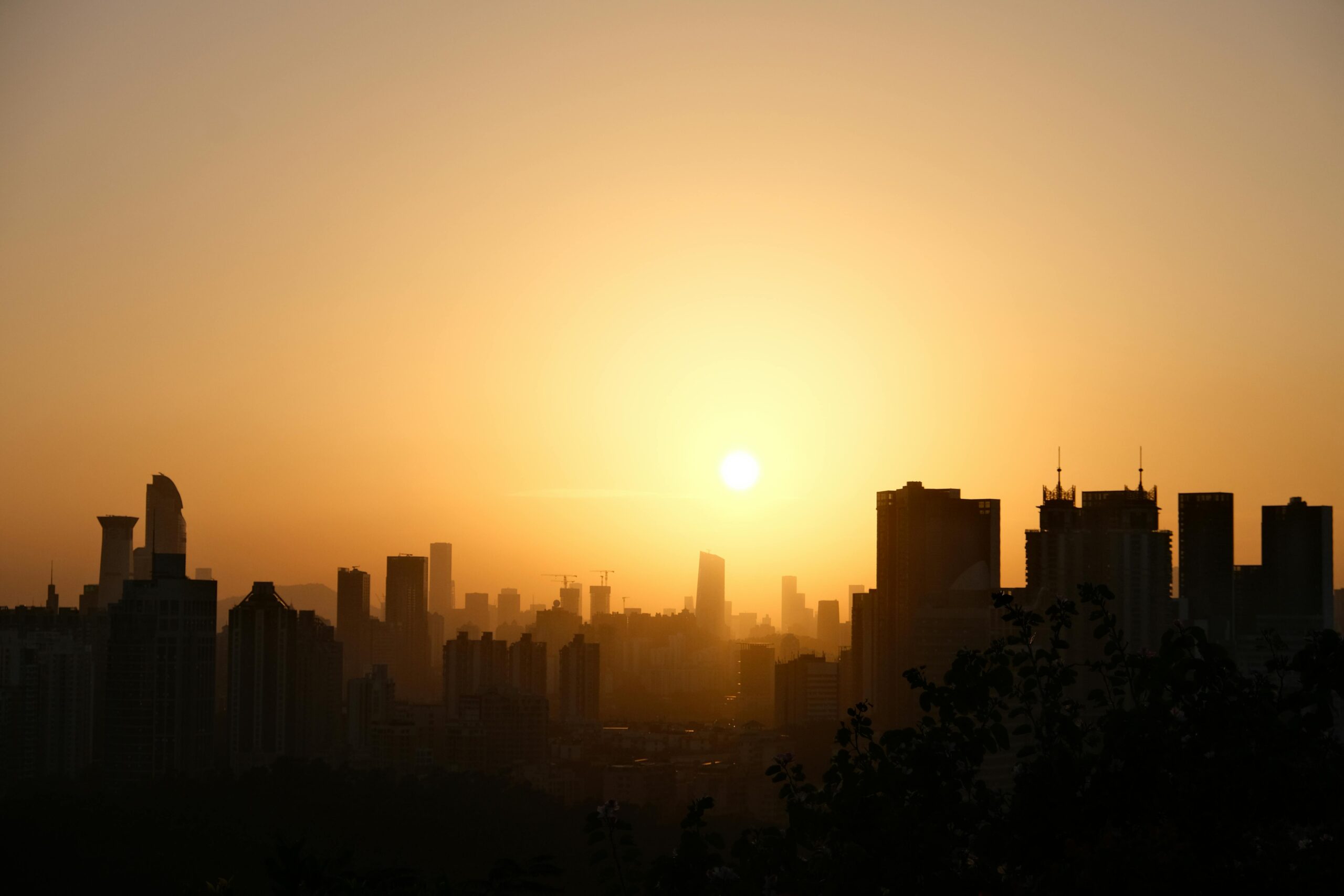
The heavens may dim, but perhaps this twilight reveals previously invisible stars. In the gathering darkness, we discover light sources we couldn’t perceive when the sky blazed with unquestioned certainty. The challenge facing contemporary humanity involves navigating by these subtler illuminations while honoring the wisdom embedded in traditions that structured our ancestors’ skies. Between remembering and imagining, we craft the meanings that will guide us forward into an unknowable future where the sacred continually reinvents itself in forms we’re only beginning to recognize.
