Anúncios
Humanity has always retold stories, breathing new life into ancient myths. Today’s creators are reimagining legendary tales through fresh perspectives, diverse voices, and modern contexts.
🔮 The Eternal Dance Between Old Tales and New Voices
Myths have served as the backbone of human storytelling since our ancestors first gathered around fires. These narratives about gods, heroes, and cosmic battles weren’t just entertainment—they were how cultures explained existence, taught moral lessons, and passed wisdom between generations. What’s fascinating about our current era is how dramatically we’re transforming these ancient stories while maintaining their essential power.
Anúncios
The Greek myths that once taught Athenian values are now being rewritten to explore themes of gender identity, mental health, and systemic oppression. Norse legends originally meant to glorify warrior culture now examine toxic masculinity and environmental destruction. This isn’t disrespect—it’s evolution. Every generation has reshaped mythology to reflect its values, and ours is no different.
Contemporary authors, filmmakers, and artists are mining millennia-old narratives for raw material, then refining them through the lens of modern sensibilities. The result is a renaissance of mythological storytelling that feels both ancient and urgently relevant.
Anúncios
Why We Keep Returning to the Same Stories
There’s something deeply human about our need to revisit certain narratives. Psychologist Carl Jung argued that myths tap into the “collective unconscious”—universal symbols and themes that resonate across cultures and time periods. Whether or not you accept Jung’s framework, the pattern is undeniable: certain story structures repeat themselves throughout human history.
The hero’s journey appears in everything from ancient Mesopotamian epics to modern superhero films. Trickster gods who challenge authority show up in African, Native American, Greek, and Norse traditions. Creation myths from disconnected cultures share surprising similarities. These repeated patterns suggest something fundamental about human psychology and experience.
Modern creators understand this instinctively. When Madeline Miller wrote “Circe,” she wasn’t just retelling Homer—she was excavating the psychological truth within a character who’d been reduced to a plot device for millennia. When Neil Gaiman crafted “American Gods,” he recognized that the fundamental tensions between old and new, faith and cynicism, are as relevant today as when Thor and Odin were actively worshipped.
The Personal Made Universal
What makes contemporary myth retellings particularly powerful is how they balance the universal with the intimate. Ancient myths often dealt with archetypes—the Hero, the Wise Old Man, the Great Mother. Modern retellings give these archetypes interiority, psychology, and complexity that makes them feel like real people facing mythic circumstances.
Pat Barker’s “The Silence of the Girls” transforms the Trojan War from a story about heroic men into an examination of how women survive war, trauma, and captivity. The mythic events remain unchanged, but the perspective shift creates an entirely different narrative—one that speaks directly to contemporary conversations about whose stories get told and whose voices get heard.
📚 From Page to Screen: Myths in Multiple Media
The transformation of timeless myths isn’t confined to literature. Visual media has become perhaps the most influential platform for mythological reimagining, reaching audiences that might never pick up a book of ancient stories.
Marvel’s cinematic universe has turned Norse mythology into a multi-billion-dollar franchise. While traditionalists might scoff at Thor wielding a hammer in space, these films have introduced millions to Norse mythological concepts, even if heavily adapted. The success of these adaptations demonstrates that audiences still hunger for stories about gods, fate, and cosmic significance—they just want them delivered in contemporary packaging.
Animation has proven particularly effective at myth transformation. Disney’s “Moana” drew from Polynesian mythology, introducing global audiences to stories from Pacific Island cultures. Studio Ghibli’s films frequently incorporate and reimagine Japanese folklore and Shinto concepts. These animated retellings often take considerable liberties with source material, yet they preserve something essential about the original stories’ spirit.
Video Games as Interactive Mythology
Perhaps the most radical myth transformation is happening in gaming, where players don’t just consume stories—they inhabit them. “Hades” by Supergiant Games lets players embody Zagreus, son of Hades, as he repeatedly attempts to escape the underworld. The game’s roguelike structure—where death is temporary and each attempt adds to the narrative—mirrors the cyclical nature of many ancient myths.
“God of War” began as a straightforward (if ultraviolent) adaptation of Greek mythology, then reinvented itself by moving to Norse legends and exploring themes of fatherhood, responsibility, and breaking cycles of violence. The game asks whether characters defined by mythic fate can ever truly change—a question that resonates deeply in an era obsessed with redemption narratives and second chances.
🌍 Amplifying Marginalized Voices Through Mythic Retelling
One of the most significant trends in contemporary myth transformation is how creators from historically marginalized communities are reclaiming and reinterpreting stories that often excluded them or cast them as villains.
Black authors are reimagining Greek and Roman mythology with African diasporic characters, examining how these “universal” Western myths look different when filtered through different cultural experiences. N.K. Jemisin’s “The City We Became” draws on Lovecraftian cosmic horror—itself a kind of modern mythology—while explicitly addressing the racism inherent in Lovecraft’s worldview.
Indigenous authors are both retelling traditional stories from their own cultures and creating new mythologies that address colonialism, cultural survival, and identity. Rebecca Roanhorse’s work draws from Navajo mythology while creating speculative futures where Indigenous peoples thrive rather than merely survive.
LGBTQ+ creators are finding queer readings in ancient myths that have always been there but were deliberately obscured or explained away. The intense relationship between Achilles and Patroclus, the gender-fluid nature of many trickster gods, the transformation narratives that could be read as transgender experiences—all are being explored openly in contemporary retellings.
Reclaiming the Monster’s Story
Particularly powerful are retellings that give voice to characters traditionally cast as villains or monsters. When we hear Medusa’s story from her perspective, she transforms from a monster to be slain into a victim seeking justice. When we see Grendel’s mother as a grieving parent rather than simply an obstacle for Beowulf, the entire moral framework of the story shifts.
These perspective shifts aren’t just literary exercises—they’re political acts. They ask us to question whose stories we’ve been told, who benefits from traditional narratives, and what we might learn by listening to voices that have been silenced.
The Technology of Modern Myth-Making
The tools available to contemporary storytellers would seem like magic to ancient bards. Digital art allows visualization of mythic scenes with unprecedented detail. Podcasts have revived the oral tradition of storytelling, with series like “Mythunderstood” and “Let’s Talk About Myths, Baby!” introducing ancient stories to new audiences through conversational formats.
Social media has created new ways for myths to spread and evolve. Twitter threads retelling myths in modern language go viral, reaching audiences who might find traditional versions intimidating. TikTok creators explain complex mythological relationships using humor and pop culture references, making ancient stories accessible to younger generations.
Artificial intelligence is even entering the conversation, with creators using AI tools to visualize mythic scenes or explore alternative narrative paths. While controversial, these technologies represent another evolution in how humans interact with and transform timeless stories.
⚡ Balancing Reverence and Innovation
Not everyone celebrates these transformations. Critics argue that modern retellings disrespect source material, impose contemporary values on ancient cultures, or simply use mythology as window dressing for stories that could stand alone.
These concerns deserve serious consideration. There’s a difference between thoughtful reinterpretation and superficial appropriation. When Disney’s “Hercules” turns Greek mythology into a formulaic hero’s journey complete with gospel music, something essential is lost. When Rick Riordan’s “Percy Jackson” series uses Greek gods as plot devices for middle-grade adventures, purists rightfully question whether young readers are learning anything meaningful about actual Greek culture.
The best modern myth transformations walk a careful line. They respect the source material while acknowledging that all myths have always been in flux. They recognize that the versions we call “original” are themselves adaptations of earlier oral traditions, that Homer was reimagining stories already ancient in his time, that mythology has never been static.
Cultural Sensitivity in an Age of Global Stories
Globalization has made myths from every culture accessible to creators worldwide, raising complex questions about who has the right to retell which stories. When should myth transformation be considered creative adaptation, and when does it become cultural appropriation?
There’s no simple answer, but thoughtful creators consider several factors: Are they consulting with members of the culture they’re drawing from? Are they treating sacred stories with appropriate respect? Are they using mythology to explore genuine themes or just for exotic flavor? Are creators from that culture being given opportunities to tell their own stories?
The conversation around cultural sensitivity in myth retelling is itself valuable, forcing creators and audiences to think critically about representation, ownership, and respect.
🎭 Myths as Mirrors: What Our Retellings Reveal About Us
The ways we transform myths reveal what we value, fear, and hope for. Ancient Greek myths emphasized fate, honor, and the capricious nature of divine intervention. Modern retellings emphasize choice, psychology, and systemic critique. Both versions tell us more about the cultures that created them than about any “true” version of the myths.
Our current fascination with antiheroes and villain origin stories reflects an age skeptical of traditional heroism and interested in how people become who they are. Our emphasis on diverse perspectives mirrors increasing awareness of whose voices have been excluded from mainstream narratives. Our ecological reinterpretations of myths—seeing nature gods as representatives of environmental systems we’re destroying—reveal anxiety about climate change.
Even our medium preferences matter. That we increasingly consume myths through visual media rather than text reflects our image-saturated culture. That we create interactive mythologies through games reflects our desire for agency and participation rather than passive consumption.
The Future of Ancient Stories
As long as humans tell stories, we’ll keep returning to mythology. The specific forms will continue evolving—virtual reality experiences that let us walk through mythic landscapes, AI-generated stories that create infinite variations on classic themes, new media we can’t yet imagine.
What won’t change is the fundamental human need that mythology fulfills: the desire to find meaning in existence, to connect with something larger than ourselves, to understand our place in the cosmos. Ancient myths provided frameworks for understanding life, death, love, loss, justice, and fate. Modern retellings do the same work, just translated for contemporary contexts.
The myths themselves will survive whatever we do to them. They’ve endured for millennia, adapted countless times, interpreted and reinterpreted by cultures far removed from their origins. Our transformations are just the latest chapter in an ongoing conversation between past and present.
🌟 Creating Your Own Mythic Transformation
For aspiring creators interested in reimagining myths, the opportunities have never been greater. Here are key considerations for effective myth transformation:
- Study the source material deeply before transforming it—understanding what you’re changing and why
- Identify what made the original story resonate and ensure your retelling preserves that essential element
- Find a genuine reason for the retelling beyond “mythology is popular right now”
- Consider whose perspective has been missing from traditional versions
- Balance accessibility with respect for the source culture
- Ask what your transformation reveals about contemporary values and concerns
- Don’t be afraid to take risks—mythology has always been radical
The most successful modern myth transformations don’t just update surface elements. They find contemporary equivalents for the psychological and cultural work the original myths performed. They ask what these ancient stories can teach us about our current moment while acknowledging that we bring our own meanings to timeless tales.
The Unending Story
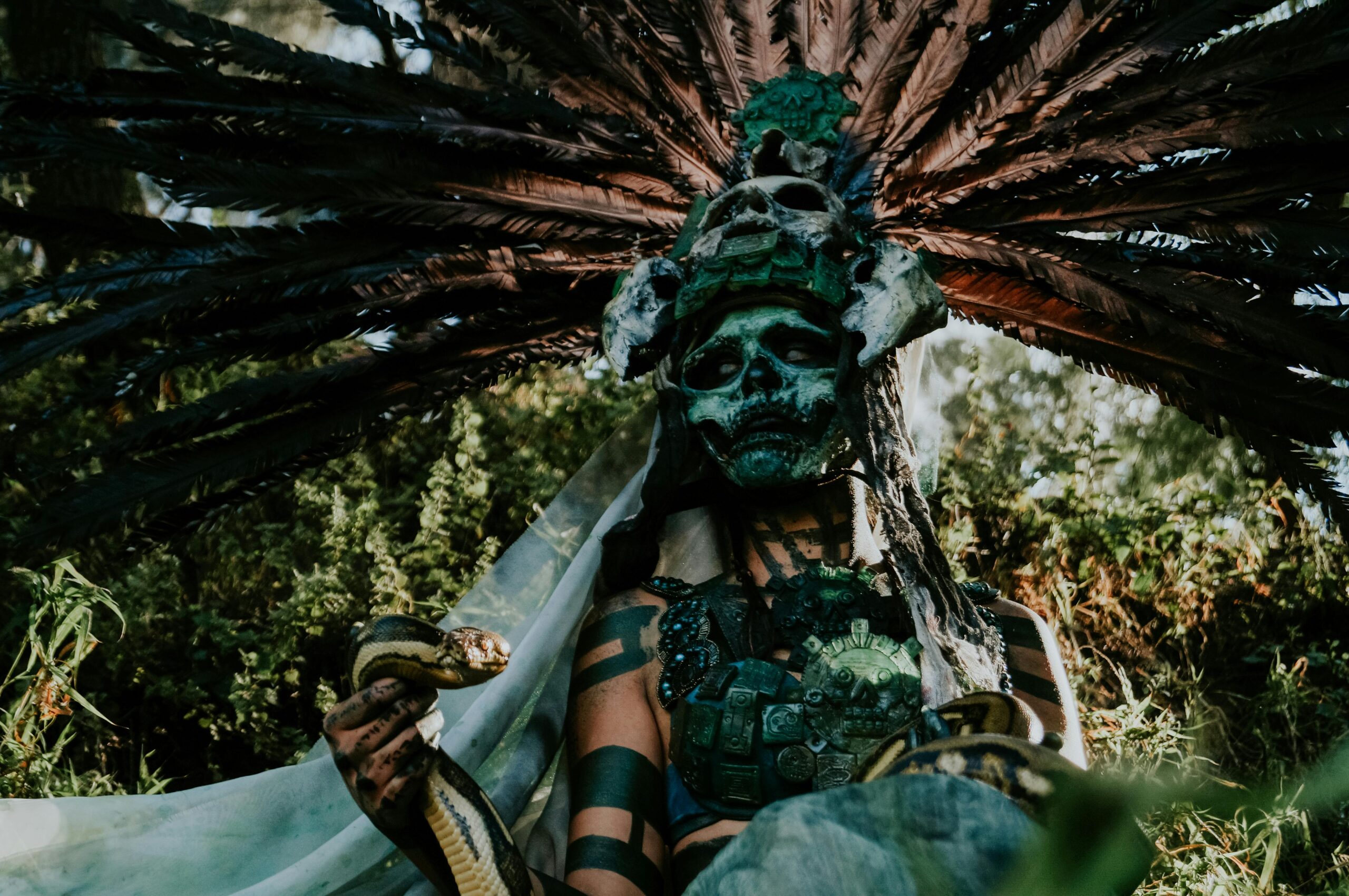
Mythology isn’t dead—it’s constantly being reborn. Every retelling, reimagining, and transformation adds another layer to stories that have accumulated meaning across centuries. When we rewrite legends, we’re not destroying them but participating in the ancient human tradition of storytelling evolution.
The Gilgamesh who grieved for Enkidu thousands of years ago still grieves in modern retellings, but now we might understand his grief through psychological frameworks unknown to ancient Mesopotamians. Odysseus still journeys home, but contemporary versions might examine the trauma he carries or question whether heroes can ever truly return from war. Anansi still tricks his way through challenges, but modern stories might use his cunning to critique power structures.
These transformations don’t erase the original myths—they enrich them, offering new entry points for modern audiences while preserving the essential truths that made these stories worth remembering in the first place. The best modern myth retellings honor the past while speaking urgently to the present, creating bridges between ancient wisdom and contemporary concerns.
As we continue rewriting legends, we’re not just creating new stories. We’re participating in humanity’s oldest and most essential practice: making sense of existence through narrative, finding ourselves in tales of gods and heroes, and passing forward the stories that matter most. The myths we transform today will themselves be transformed by future generations, each adding their own understanding to stories that refuse to die because they speak to something fundamental about being human. ✨
