
Anúncios
Throughout human history, ancient rituals have captivated our imagination, yet many remain shrouded in mystery and misinterpretation, waiting to be understood.
🔮 The Veil of Time: Why Ancient Practices Puzzle Modern Minds
Ancient civilizations performed elaborate ceremonies and rituals that seemed strange, barbaric, or even incomprehensible to later generations. Without proper context, these sacred practices have been misunderstood, sensationalized, and often misrepresented throughout history. The gap between ancient worldviews and modern understanding creates a significant barrier to appreciating the true meaning behind these time-honored traditions.
Anúncios
Many rituals that appear bizarre or primitive to contemporary observers actually represented sophisticated systems of knowledge, community bonding, and spiritual exploration. The challenge lies not in the rituals themselves, but in our ability to decode their symbolic language and cultural significance. Archaeological discoveries, combined with anthropological research and comparative religious studies, have begun to illuminate the authentic purposes behind practices once dismissed as superstition or savagery.
This article explores some of history’s most misunderstood ancient rituals, revealing their true meanings and the wisdom embedded within practices that have puzzled scholars and laypeople alike for centuries. By examining these ceremonies through a lens of cultural respect and academic rigor, we can appreciate the complexity and intelligence of our ancestors.
Anúncios
🌟 The Mummification Mystery: More Than Preservation
Egyptian mummification stands as one of the most recognized yet misunderstood ancient practices. Popular culture often portrays it as a macabre obsession with death or a primitive attempt at immortality. However, the true meaning behind mummification reveals a sophisticated understanding of transition, identity, and the relationship between physical and spiritual existence.
The ancient Egyptians believed that preserving the body allowed the ka (life force) and ba (personality) to reunite with it in the afterlife. This wasn’t about denying death but honoring the continuity of existence beyond physical mortality. The elaborate 70-day process involved removing organs, treating the body with natron salt, and wrapping it in linen while priests recited specific prayers at each stage.
Modern research has revealed that mummification also served practical social functions. It provided time for families to grieve, gather resources for proper burial, and allow distant relatives to attend funeral ceremonies. The ritual created a structured framework for processing loss while reinforcing community bonds and social hierarchies. The quality of mummification often reflected social status, making it a statement of identity that transcended death.
The Science Behind the Sacred
Recent scientific analysis has shown that Egyptian embalmers possessed remarkable knowledge of chemistry, anatomy, and decomposition processes. The ingredients used—including frankincense, myrrh, beeswax, and various oils—weren’t chosen arbitrarily but for their antimicrobial and preservation properties. This demonstrates that ancient rituals often combined spiritual beliefs with empirical observation and practical knowledge.
🔥 Human Sacrifice: Rewriting the Narrative
Perhaps no ancient practice has been more sensationalized and misunderstood than human sacrifice. While undeniably disturbing to modern sensibilities, dismissing these rituals as mere bloodlust or primitive cruelty obscures their complex cultural meanings and the worldview that made them comprehensible to ancient peoples.
Among the Aztecs, human sacrifice was intricately connected to their cosmology. They believed the sun god Huitzilopochtli required nourishment to continue his daily journey across the sky. Without sacrifice, the universe itself would cease to function. From this perspective, those sacrificed weren’t victims but essential participants in maintaining cosmic order—a profound responsibility rather than a punishment.
Recent archaeological evidence suggests that many sacrificial victims, particularly in Mesoamerican cultures, may have been willing participants who viewed their role as honorable. Children sacrificed to ensure agricultural abundance were often treated with great care beforehand, given special foods, and celebrated. This doesn’t justify the practice by modern ethical standards, but it contextualizes it within a radically different value system.
Symbolic Death Versus Physical Death
Importantly, many cultures practiced symbolic rather than literal human sacrifice. The Celtic wicker man burnings, long described as horrific mass executions, may have been largely symbolic or involved effigies rather than living people. Similarly, many “sacrifice” rituals involved symbolic death and rebirth, representing transformation rather than termination of life.
🌙 The Truth About Witch Trials and Pagan Practices
Medieval and early modern witch trials represent a catastrophic misunderstanding of ancient healing practices, folk traditions, and pre-Christian spirituality. What authorities labeled as “witchcraft” and “devil worship” were often continuations of indigenous European traditions that predated Christianity by millennia.
The so-called witches were frequently herbalists, midwives, and community healers who possessed practical medical knowledge passed down through generations. Their understanding of plants, pregnancy, and natural remedies threatened established medical and religious authorities. The rituals they performed—gathering at crossroads, celebrating seasonal festivals, creating protective charms—weren’t malevolent but represented ancient wisdom traditions focused on harmony with natural cycles.
The stereotype of naked midnight dancing often associated with witchcraft likely stemmed from fertility rituals celebrating the cycles of planting and harvest. Dancing in fields was believed to encourage crop growth, and nudity symbolized vulnerability before nature and the divine. Through the lens of fear and religious zealotry, these agricultural ceremonies became twisted into tales of devil worship and obscene revelry.
🗿 Megalithic Monuments: Cosmic Calculators, Not Primitive Piles
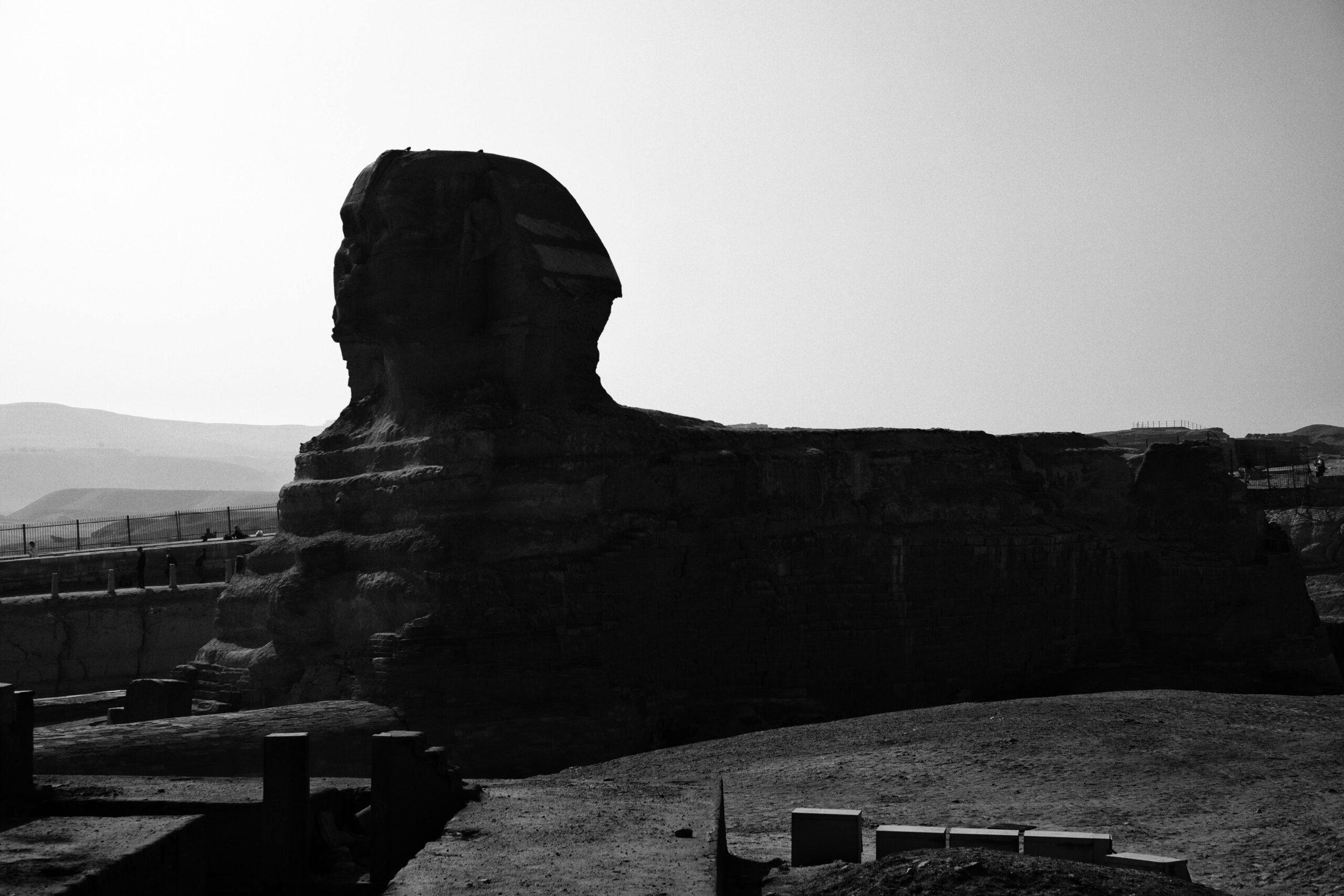
Stonehenge, the Pyramids of Giza, and countless other megalithic structures were long dismissed as primitive monuments or simple burial sites. Modern research reveals they functioned as sophisticated astronomical observatories, ceremonial centers, and repositories of mathematical knowledge that took generations to perfect.
Stonehenge’s alignment with the summer solstice sunrise and winter solstice sunset demonstrates advanced astronomical knowledge. The monument served as a calendar marking crucial agricultural periods, religious festivals, and celestial events. The effort required to transport and erect the massive stones suggests these weren’t casual undertakings but projects of profound cultural importance involving entire communities over many generations.
Engineering Marvels Disguised as Religious Sites
The Great Pyramid of Giza incorporates mathematical constants like pi and phi into its dimensions with remarkable precision. Its orientation to true north deviates by less than one-fifteenth of a degree. These aren’t coincidences but evidence of sophisticated engineering, mathematical knowledge, and astronomical observation capabilities that challenge assumptions about ancient technological limitations.
These structures weren’t built despite their builders’ beliefs but because of them. Religious conviction provided the motivation and organizational framework for accomplishing engineering feats that required coordinating thousands of workers, complex logistics, and precise calculations. The rituals performed at these sites integrated spiritual practice with practical knowledge of astronomy, architecture, and community organization.
💀 Skull Cult Practices: Honoring Ancestors, Not Worshipping Death
Archaeological sites across Europe, Asia, and the Americas reveal practices involving human skulls that initially shocked researchers. Skull towers, decorated crania, and burial sites where heads received special treatment seemed to indicate morbid death cults. Deeper investigation reveals these practices represented sophisticated ancestor veneration and beliefs about consciousness and identity.
In many cultures, the skull housed the essence of a person—their knowledge, personality, and spirit. Preserving and honoring skulls wasn’t macabre but a way of maintaining relationships with deceased family members and community leaders. In some Neolithic sites, skulls were plastered and painted to recreate facial features, suggesting efforts to keep the deceased present within the community.
The Dayak people of Borneo traditionally kept ancestor skulls in the home, consulting them for guidance and protection. Similar practices existed in Celtic, Germanic, and Mediterranean cultures. These weren’t primitive superstitions but reflected complex philosophies about the continuation of identity after death and the ongoing relationship between the living and the dead.
🌾 Fertility Rites: Sacred Sexuality and Agricultural Abundance
Ancient fertility rituals involving explicit sexual symbolism or sacred prostitution have been sensationalized and moralized through centuries of cultural misunderstanding. These practices weren’t expressions of moral depravity but sophisticated ritual systems connecting human reproduction, agricultural fertility, and cosmic creative forces.
The hieros gamos (sacred marriage) performed in ancient Mesopotamia involved ritual sexual union between the king and a priestess representing the goddess Inanna. This wasn’t recreational or exploitative but a ceremonial act believed to ensure the land’s fertility, successful harvests, and the kingdom’s prosperity. The ritual enacted the cosmic pattern of creation through divine union.
Phallic symbols and goddess figurines found throughout ancient sites weren’t pornographic but sacred objects representing generative power. The exaggerated sexual features of fertility figurines emphasized creative and nourishing aspects of the divine feminine—abundance, continuity, and the power to sustain life. These objects played important roles in rituals seeking blessings for conception, childbirth, and agricultural success.
The Sacred and the Sexual
Many ancient cultures didn’t separate sexuality from spirituality as later religious traditions would. Physical union represented divine creative energy manifesting in the material world. Rituals incorporating sexual elements weren’t transgressive but sacred—pathways to experiencing and channeling the fundamental forces that sustained existence. Understanding this perspective requires recognizing profoundly different cultural frameworks around the body, sexuality, and the sacred.
🐂 Animal Sacrifice: Ecological Practice and Communal Feasting
Animal sacrifice remains common in various religious traditions today, yet it’s often misunderstood as wasteful, cruel, or primitive. In ancient contexts, these rituals represented the primary means of meat distribution, community bonding, and maintaining reciprocal relationships with divine forces and the natural world.
Greek and Roman animal sacrifices weren’t primarily about killing but about the communal feast that followed. The animal was butchered according to strict protocols, certain portions burned as offerings to the gods, and the remaining meat distributed among community members. For most people, sacrificial feasts provided rare opportunities to eat meat, making religious observance inseparable from nutritional necessity and social celebration.
The sacrifice acknowledged that taking life required sacred justification and ritual framing. Animals weren’t killed casually but with prayers, libations, and ceremonies recognizing the gravity of ending a life to sustain human life. This ritualized approach to meat consumption contrasts sharply with modern industrial practices that abstract and hide the realities of animal slaughter.
🎭 Shamanic Journeys: Altered States and Ancient Psychology
Shamanic practices involving drumming, dancing, fasting, and entheogenic substances were long dismissed as primitive superstition or psychological delusion. Contemporary research in neuroscience, psychology, and ethnobotany reveals these techniques as sophisticated methods for accessing altered states of consciousness with therapeutic and community benefits.
Shamans served as healers, counselors, and mediators between the community and spiritual realms. Their techniques for inducing trance states—rhythmic drumming at specific frequencies, prolonged dancing, controlled breathing, and plant medicines—demonstrably affect brain activity and consciousness. These weren’t random practices but refined technologies for exploring human consciousness developed over millennia.
The healing journeys shamans undertook on behalf of patients often involved identifying psychological or social conflicts manifesting as physical illness. This holistic approach recognized connections between mind, body, community relationships, and health that Western medicine is only recently reintegrating. The symbolic language of shamanic visions provided frameworks for processing trauma, finding meaning, and reintegrating individuals into their communities.
Plant Medicines and Sacred Knowledge
Many cultures identified and utilized psychoactive plants with remarkable precision. The ayahuasca traditions of Amazonian peoples, peyote ceremonies of Native American religions, and mystery cult practices of ancient Greece all incorporated consciousness-altering substances within carefully structured ritual contexts. These weren’t recreational drug use but disciplined spiritual practices requiring preparation, intention, and integration.
⚱️ Ancestor Worship: Continuity Across Generations
Practices of ancestor worship found throughout African, Asian, European, and Indigenous American cultures are often mischaracterized as primitive superstition or inability to accept death. Actually, these traditions represent sophisticated philosophies recognizing the ongoing influence of previous generations and the importance of cultural continuity.
Chinese ancestor veneration doesn’t assume the dead literally consume offerings of food and drink. These rituals express respect, maintain family identity across generations, and teach younger members about their heritage and obligations to those who came before. The practice reinforces social cohesion, intergenerational responsibility, and awareness that individual identity exists within larger temporal and social contexts.
In many African traditional religions, ancestors serve as intermediaries between the living and supreme creator beings. They’re consulted for guidance, honored through festivals, and believed to maintain interest in their descendants’ wellbeing. This creates a sense of being observed and supported by generations past, reinforcing ethical behavior and cultural values.
🌅 Revealing the Patterns: What These Rituals Teach Us
Examining these misunderstood practices reveals consistent patterns. Ancient rituals typically served multiple functions simultaneously: reinforcing social bonds, marking important transitions, transmitting cultural knowledge, maintaining cosmic order, and providing frameworks for processing fundamental human experiences like birth, death, sexuality, and violence.
Rather than primitive superstitions, these practices often represented sophisticated responses to universal human needs. They created meaning in a uncertain world, structured community life, encoded practical knowledge in memorable forms, and provided technologies for managing psychological and social challenges. The symbolic language through which they operated shouldn’t be dismissed as confusion but recognized as a different mode of knowing—one that integrates emotion, intuition, and community identity with practical concerns.
Modern misunderstandings often stem from assuming our contemporary worldview is inherently superior or more rational. We project our values, assumptions, and categories onto practices arising from fundamentally different cultural contexts. True understanding requires suspending judgment and attempting to comprehend how these rituals made sense within their own cultural logic and cosmological frameworks.
🔍 The Wisdom We’ve Lost and What We Might Reclaim
Many dismissed ancient practices contained wisdom relevant to contemporary challenges. The ritualized approach to death found in many traditions provided structured grieving processes that modern secular societies often lack. The communal nature of festivals and ceremonies created social cohesion that addresses isolation prevalent in contemporary life. The integration of spiritual practice with ecological awareness reflected a sense of embeddedness in natural systems we desperately need to recover.
Understanding these rituals accurately doesn’t require adopting ancient worldviews or romanticizing the past. Ancient societies faced terrible suffering, oppression, and violence. But recognizing the sophistication and wisdom embedded in their practices allows us to learn from humanity’s collective experience while building more just, sustainable, and meaningful ways of living.
The mysteries of ancient rituals aren’t finally solved—cultural practices remain complex and contested among scholars. But by approaching them with respect, curiosity, and willingness to understand rather than judge, we unveil meanings obscured by centuries of misinterpretation. These revelations connect us with our ancestors’ struggles to create meaning, community, and continuity in an uncertain world—concerns that remain profoundly relevant today.
The true mystery isn’t why ancient peoples performed these strange rituals, but why we’re so quick to dismiss as primitive what we don’t immediately understand. Their practices invite us to recognize different forms of intelligence, alternative approaches to perennial human challenges, and the remarkable creativity humans have always brought to the fundamental task of making sense of existence. In unveiling these mysteries, we discover not just ancient wisdom but insights into ourselves and what it means to be human across all times and cultures. ✨
