
Anúncios
The age of mythic icons is waning, and humanity stands at a crossroads between ancient symbolic frameworks and emerging cultural narratives that redefine meaning.
🌅 The Twilight of Traditional Mythologies
For millennia, symbolic gods served as the foundational pillars of human civilization. These mythic figures—from Zeus and Odin to Shiva and Quetzalcoatl—provided frameworks for understanding existence, morality, and the mysteries of the universe. They offered narratives that explained natural phenomena, justified social structures, and gave communities shared identities rooted in the divine.
Anúncios
Yet today, we witness an unprecedented shift. The grip of traditional mythological systems on collective consciousness has loosened considerably. This transformation isn’t merely about atheism or secularization—it represents something far more nuanced. The very nature of how we construct meaning, identify heroes, and establish cultural touchstones has fundamentally evolved.
The decline of symbolic gods doesn’t indicate a spiritual void but rather a migration of the sacred into new territories. Where once communities gathered around temples and told stories of divine intervention, modern societies congregate around different altars: screens, stadiums, concert halls, and digital spaces. The mythic impulse hasn’t disappeared; it has metamorphosed into forms our ancestors wouldn’t recognize.
Anúncios
📉 Why Traditional Mythic Icons Lost Their Hold
Several interconnected forces have contributed to the diminishing influence of classical mythological figures in contemporary life. Understanding these factors reveals how profoundly our relationship with symbolic narratives has transformed.
The Scientific Revolution’s Long Shadow
The Enlightenment and subsequent scientific advancements provided alternative explanations for phenomena once attributed to gods. Lightning became electricity rather than Zeus’s anger. Diseases transformed from divine punishment into biological processes with medical solutions. This paradigm shift didn’t happen overnight, but its cumulative effect has been revolutionary.
Science offered something mythology couldn’t: predictability, testability, and practical application. While myths explained the world through narrative and symbol, science provided mechanisms and interventions. The thunder god couldn’t compete with meteorology when it came to weather forecasting.
Globalization and Mythological Relativism
As societies became increasingly interconnected, the multiplicity of mythological systems became impossible to ignore. When a child in New York can learn about Hindu, Norse, Greek, and Indigenous American mythologies simultaneously through education and media, each system’s claim to absolute truth diminishes.
This exposure created what anthropologists call “mythological relativism”—the recognition that all mythic systems are cultural constructs rather than universal truths. Once this perspective takes hold, traditional gods become fascinating cultural artifacts rather than living forces demanding devotion.
Institutional Crisis and Loss of Authority
The religious institutions that preserved and transmitted mythological narratives have faced credibility crises. Scandals, perceived hypocrisy, and resistance to social progress have eroded the authority of traditional religious establishments. When the messengers lose credibility, their messages suffer by association.
Additionally, the hierarchical structures that supported mythological systems feel increasingly alien to generations raised with democratic ideals and individual autonomy. The notion of unquestioning submission to divine authority conflicts with contemporary values of personal freedom and critical thinking.
🎭 The New Pantheon: Where Myth Migrated
The human need for mythic narratives didn’t evaporate—it found new expressions. Today’s cultural landscape is rich with symbolic figures and epic narratives, though they wear different costumes than their ancient predecessors.
Superheroes as Modern Deities
The superhero genre represents perhaps the most direct translation of classical mythology into contemporary form. Characters like Superman, Wonder Woman, and Thor (ironically, a direct import from Norse mythology) possess godlike powers and grapple with cosmic-scale conflicts. They embody virtues, struggle with moral dilemmas, and serve as aspirational figures.
What makes superheroes particularly effective as modern mythic icons is their adaptability. Unlike fixed ancient myths, superhero narratives continuously evolve, addressing contemporary issues like discrimination, environmentalism, and political corruption. They function as living myths that update themselves for each generation.
The Marvel Cinematic Universe and DC Extended Universe have created what amounts to modern mythological cycles—interconnected stories spanning multiple “texts” (films) that require dedicated study to fully appreciate. Fans engage with these narratives with a devotion that mirrors religious commitment, attending midnight releases, debating canon, and finding personal meaning in fictional struggles.
Celebrity Culture and Sacred Personalities
Contemporary celebrity culture bears striking similarities to ancient hero cults and saint veneration. We elevate certain individuals to extraordinary status, following their lives with intense interest, attributing them with special qualities, and even making pilgrimages to sites associated with them.
Social media has amplified this phenomenon exponentially. Influencers cultivate follower bases that function like devotees. Their pronouncements on products, politics, and lifestyle carry weight far beyond their actual expertise. The parasocial relationships formed between celebrities and audiences create emotional bonds that resemble the personal connections ancient peoples felt with their patron deities.
This isn’t merely shallow consumerism—it fulfills genuine psychological needs. Celebrities provide role models, embody success narratives, and offer glimpses into extraordinary lives that contrast with everyday existence. They become characters in ongoing sagas we follow with invested interest.
Brand Mythology and Corporate Symbolism
Major corporations have mastered mythological thinking, creating brand narratives that transcend mere products. Apple doesn’t just sell technology; it offers membership in a tribe of creative innovators. Nike doesn’t just make shoes; it provides totems of athletic excellence and personal achievement.
These brands employ sophisticated symbolism—logos that function as sigils, origin stories about visionary founders, and carefully crafted narratives about values and mission. Consumers form tribal identities around brands, defending them against critics with the fervor once reserved for religious sectarians.
The brand-as-mythology phenomenon reveals how deeply humans crave symbolic systems that organize experience and provide identity markers. When traditional religions no longer fulfill this function for many people, corporate mythology fills the vacuum.
🌐 Digital Realms: New Territories for Meaning-Making
The internet and digital technologies have created entirely new spaces where cultural narratives form and evolve at unprecedented speeds. These virtual realms have become primary sites for contemporary mythology.
Internet Folklore and Digital Mythmaking
Online communities generate their own mythologies with remarkable vitality. Creepypasta creatures like Slenderman emerge as modern folkloric entities. Memes function as cultural units that carry meaning, mutate, and spread like ancient oral traditions. Internet urban legends circulate with the same dynamics that governed pre-literate storytelling.
What distinguishes digital mythology is its participatory nature. Unlike ancient myths handed down by priestly classes, internet narratives emerge collaboratively from community creativity. Anyone can contribute to evolving stories, remix existing elements, or launch entirely new mythic threads.
Gaming worlds provide immersive mythological environments where players don’t merely hear about epic narratives—they inhabit them. Games like “The Elder Scrolls” series, “World of Warcraft,” and “The Witcher” offer rich mythological frameworks that players explore and embody. These virtual worlds have generated extensive lore, fan theories, and community interpretations that mirror how ancient cultures developed their mythological traditions.
The Algorithm as Destiny
In a curious twist, algorithms have assumed some functions traditionally attributed to fate or divine will. They determine what content we see, whom we meet, which opportunities appear. The “algorithm” is frequently discussed with a mixture of reverence and anxiety reminiscent of how ancient peoples spoke of capricious gods.
We attempt to divine algorithmic preferences, offer sacrifices in the form of optimized content, and attribute mysterious agency to these computational systems. The algorithm functions as an invisible force shaping our reality—not unlike how our ancestors viewed divine providence.
🔮 Hybrid Mythologies: Blending Old and New
The transition from traditional to contemporary mythologies isn’t absolute. Instead, we’re witnessing fascinating hybridization where ancient symbols merge with modern contexts.
Neopagan Revivals and Reconstructionism
Movements like Wicca, Asatru, and various reconstructionist paths deliberately revive ancient mythological frameworks. However, these aren’t simple returns to the past—they’re creative reinterpretations that blend ancient symbolism with contemporary values like environmentalism, feminism, and personal authenticity.
These approaches treat mythological systems as living traditions that can grow and adapt rather than museum pieces to be preserved unchanged. They demonstrate that traditional symbolic gods can find renewed relevance when communities actively reinterpret them for current contexts.
Science Fiction as Speculative Mythology
Science fiction serves a unique role as mythology for technologically advanced societies. Works by authors like Ursula K. Le Guin, Octavia Butler, and N.K. Jemisin create cosmologies that address contemporary anxieties about technology, social change, and human nature while maintaining the scope and symbolic richness of classical mythology.
These narratives ask fundamental questions—What does it mean to be human? How should we relate to the other? What futures should we build?—using futuristic settings and speculative scenarios. They provide the same function ancient myths did: helping communities think through existential challenges using symbolic narratives.
💭 The Psychology Behind Our Mythic Needs
Why do humans persistently create mythologies regardless of cultural context or historical period? Understanding this impulse reveals why symbolic gods may change form but never truly disappear.
Psychologist Carl Jung proposed that myths express archetypal patterns embedded in the collective unconscious—universal human experiences and psychological structures. From this perspective, specific gods and heroes are less important than the archetypal patterns they embody: the wise elder, the trickster, the great mother, the hero’s journey.
Contemporary narratives satisfy these same archetypal needs. We still need stories about transformation, sacrifice, redemption, and cosmic conflict. The names and costumes change, but the underlying psychological functions remain constant.
Mythologies also provide crucial social functions. They create shared reference points that bind communities together. They encode values and model behaviors. They offer explanations for suffering and frameworks for meaning. These functions don’t become obsolete simply because societies modernize.
🌍 Cultural Variations in Mythological Transition
The farewell to symbolic gods isn’t uniform across global cultures. Different societies negotiate this transition in distinctive ways reflecting their unique histories and circumstances.
In many Western contexts, particularly Europe and North America, traditional religious mythologies have experienced dramatic decline among younger generations. However, in other regions, traditional mythological systems remain robust while simultaneously incorporating modern elements.
India offers a fascinating example where ancient Hindu mythology maintains vital cultural presence while coexisting with technological modernity. Gods appear in Bollywood films and television series with massive audiences. Festival celebrations blend ancient rituals with contemporary entertainment. The mythological and the modern interpenetrate rather than exclude each other.
African and Indigenous American communities often navigate complex relationships with traditional mythologies, reclaiming them as sources of cultural identity after colonial suppression while also adapting them to contemporary contexts. These processes demonstrate that mythological transitions aren’t simply about abandoning old gods for new ones but can involve sophisticated negotiations between tradition and innovation.
🔭 Emerging Frontiers: Tomorrow’s Mythologies
As we look toward the future, new technologies and social developments suggest emerging mythological territories that will shape how coming generations construct meaning.
Artificial Intelligence and Machine Mythology
As AI systems become more sophisticated and integrated into daily life, they’re generating new mythological anxieties and aspirations. Stories about sentient machines, technological singularities, and human-AI relationships explore fundamental questions about consciousness, creativity, and what makes us human.
We’re already seeing AI attributed with quasi-mystical properties in popular discourse—either as potential salvation or existential threat. This polarization resembles how ancient peoples viewed powerful gods as both beneficial and dangerous forces requiring careful negotiation.
Climate Mythology and Ecological Narratives
The environmental crisis is generating new mythological frameworks centered on humanity’s relationship with nature. Concepts like Gaia (Earth as living system), the Anthropocene (humanity as geological force), and climate tipping points function as modern cosmological narratives.
Indigenous ecological wisdom is being rediscovered and reinterpreted as offering mythological alternatives to exploitation narratives. These perspectives present nature not as resource to be dominated but as sacred interconnected web demanding respect—a fundamentally mythological worldview.
Transhumanist Visions and Evolutionary Mythology
Transhumanism proposes that humanity can and should transcend biological limitations through technology. This philosophy creates mythological narratives about human potential, enhancement, and eventual transformation into something beyond current human nature.
These visions echo ancient themes of apotheosis—humans becoming godlike—but through technological rather than spiritual means. They represent attempts to create empowering mythologies for technological civilization that imagine extraordinary futures rather than looking backward to golden ages.
🎨 Creating Meaning Without Gods
For individuals and communities no longer oriented around traditional symbolic gods, the question becomes: How do we construct meaningful lives and coherent worldviews?
Philosopher Albert Camus argued that we must imagine Sisyphus happy—finding meaning not through cosmic narratives but through the act of living authentically and creating personal significance. This existentialist perspective proposes that meaning is constructed rather than discovered, created through choices and commitments rather than revealed by divine authority.
Secular humanism offers frameworks for ethics, purpose, and community based on human values rather than supernatural foundations. These approaches demonstrate that the farewell to symbolic gods doesn’t necessarily mean farewell to structure, morality, or transcendent experiences.
Yet many people find purely rationalist approaches emotionally insufficient. This has led to creative integrations—people who don’t believe in literal gods but find value in mythological narratives, ritual practices, and symbolic systems. They approach mythology aesthetically and psychologically rather than literally.
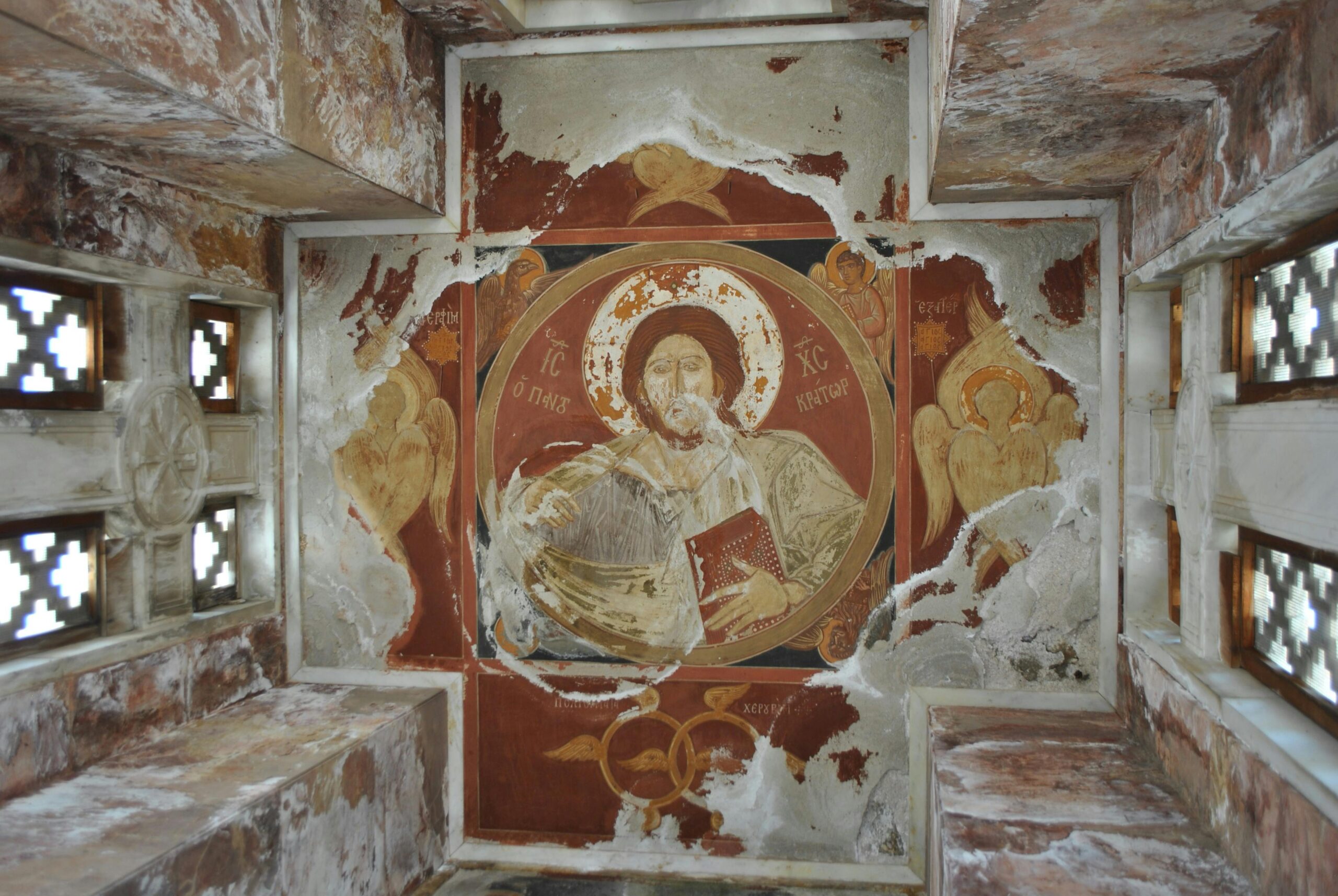
⚡ The Eternal Return of the Mythic Impulse
Despite proclamations about disenchantment and secularization, the evidence suggests that humans cannot not mythologize. We are narrative creatures who organize experience through stories, symbols, and archetypal patterns. The form of our mythologies changes, but the impulse persists.
Traditional symbolic gods may fade from centrality in many cultural contexts, but the space they occupied doesn’t remain empty. New narratives, new icons, and new symbolic systems emerge to fulfill those functions. Sometimes these are explicitly mythological, sometimes they masquerade as purely secular or commercial, but they serve similar psychological and social purposes.
The most profound shift isn’t from myth to rationality but from externally imposed mythologies to participatory, fluid, customizable narrative frameworks. Contemporary individuals increasingly curate personal mythologies from diverse sources—taking elements from traditional religions, popular culture, scientific narratives, and personal experience, weaving them into individualized meaning systems.
This democratization of mythology represents both opportunity and challenge. Without centralized mythological authority, we gain freedom but lose some coherence. We can craft narratives that genuinely resonate with our experiences, but we also face the difficulty of creating meaning without inherited frameworks to guide us.
The farewell to symbolic gods is thus not an ending but a transformation—a shift from reception to creation, from universal narratives to pluralistic possibilities. We stand at a remarkable moment where ancient mythological wisdom coexists with unprecedented creative freedom to imagine new stories, new symbols, and new ways of making meaning. The gods may be changing, but the human impulse to reach toward transcendence, to tell stories that matter, and to find our place in narratives larger than ourselves continues undiminished.
