
Anúncios
What if the divine walked among us, hidden in plain sight, wearing the mask of mortality? This question has captivated humanity for millennia, inspiring countless myths, religions, and stories.
🌟 The Eternal Question of Hidden Divinity
Throughout human history, the concept of gods disguising themselves as mortals has permeated nearly every culture and civilization. From ancient Greek mythology where Zeus wandered the earth in human form, to Hindu tales of Krishna living among cowherds, the archetype of the concealed deity resonates deeply within our collective consciousness.
Anúncios
This fascination stems from a fundamental human desire to understand our place in the cosmos and to believe that something greater than ourselves might walk beside us. The idea that divinity could be present in everyday encounters transforms the mundane into the potentially miraculous, making every stranger a possible divine messenger.
But what would it actually mean for a god to live as a mortal? What challenges would such a being face, and more importantly, why would an omnipotent entity choose such a limiting existence?
Anúncios
The Psychology Behind Divine Concealment
The concept of divine disguise serves multiple psychological and philosophical purposes. It addresses the problem of divine hiddenness—if gods exist, why don’t they reveal themselves more clearly? The disguise narrative provides an elegant solution: perhaps they do reveal themselves, but we lack the perception to recognize them.
This idea also speaks to our innate sense that reality contains deeper layers than what we perceive on the surface. In an age dominated by scientific materialism, the notion of hidden divinity allows for a spiritual dimension without contradicting empirical observation.
The Empathy Imperative
One compelling reason for a god to assume mortal form would be to truly understand the human condition. Omniscience might provide knowledge of human suffering, but experiencing it firsthand creates a different kind of understanding—one rooted in empathy rather than observation.
This theme appears repeatedly in religious narratives. The Christian concept of the Incarnation, where God becomes human in Jesus Christ, centers on this principle. By experiencing hunger, pain, temptation, and ultimately death, the divine gains intimate knowledge of mortality’s challenges.
📚 Literary and Mythological Precedents
The divine disguise motif appears across cultural boundaries with remarkable consistency. In Greek mythology, the gods frequently assumed mortal forms to test humanity’s hospitality, reward virtue, or pursue romantic interests. These stories often carried moral lessons about treating strangers with kindness, as any beggar might be Zeus in disguise.
Norse mythology features similar themes, with Odin wandering Midgard as a mysterious traveler, gathering wisdom and testing heroes. In these tales, the god’s disguise serves as both a narrative device and a theological statement about the accessibility of the divine.
Modern Interpretations in Popular Culture
Contemporary storytelling has embraced this ancient archetype with renewed vigor. Comic books, films, and novels regularly explore scenarios where gods walk among humans. The Marvel Cinematic Universe’s Thor presents an interesting inversion—a god learning to be human rather than hiding his divinity.
Television series like “Supernatural” and “Lucifer” explore the complications that arise when celestial beings interact with humanity while concealing or downplaying their true nature. These narratives often focus on the identity crisis such beings might experience: Who am I when stripped of my divine attributes?
The Philosophical Implications of Mortal Divinity
If a god truly lived as a mortal—experiencing genuine limitations, uncertainty, and vulnerability—would they still be a god? This question touches on fundamental issues of identity and essence versus experience.
Some philosophical traditions would argue that divinity is an essential quality that cannot be truly shed, only obscured. Others might contend that divinity is defined by its attributes, and without them, even a god becomes effectively mortal.
The Paradox of Omniscience in Disguise
One of the most intriguing aspects of a god living incognito involves the question of knowledge. If a deity retains omniscience while in mortal form, can they truly experience surprise, discovery, or genuine uncertainty? These experiences seem central to the human condition, yet they require authentic ignorance.
Perhaps the ultimate sacrifice for a disguised god would be the voluntary limitation of knowledge—choosing not to know the future, not to access divine wisdom, in order to fully experience mortality. This would represent the most complete form of disguise: hiding not just from others, but from oneself.
🔍 Signs and Synchronicities: How Would We Know?
If a god walked among us in perfect disguise, how might their presence manifest? Religious and mystical traditions offer various indicators that suggest divine proximity disguised as coincidence or natural occurrence.
These signs might include:
- Inexplicable synchronicities that seem to defy probability
- Encounters that catalyze profound personal transformation
- Subtle interventions in moments of crisis that redirect life trajectories
- A peculiar quality of presence that inspires inexplicable peace or awe
- Wisdom that seems to transcend the apparent age or experience of the speaker
Many spiritual traditions emphasize the importance of awareness and receptivity in recognizing divine presence. The disguised god reveals themselves not to everyone, but to those with eyes to see and ears to hear—metaphors for spiritual perception rather than physical senses.
The Emotional Life of an Incognito Deity
What would it feel like to be a god experiencing mortal limitations? This thought experiment yields fascinating insights into both divinity and humanity. A divine being accustomed to omnipotence might find mortal helplessness profoundly disorienting or unexpectedly liberating.
The experience of genuine stakes—where outcomes aren’t predetermined and actions carry authentic consequences—might represent the greatest gift mortality offers to divinity. In unlimited power, every action is merely a choice among infinite options. In limitation, choices gain weight and meaning.
Loneliness and Connection
Perhaps the greatest challenge for a disguised god would be the profound loneliness of concealment. To be fundamentally misunderstood, to carry knowledge and perspective that cannot be shared, to experience isolation even in crowded rooms—this existential loneliness might represent the true cost of divine disguise.
Yet this same concealment might enable authentic connection impossible for a revealed deity. When people relate to a god as god, the relationship carries inherent inequality. But when they relate to what appears as a fellow mortal, genuine friendship becomes possible. The disguise, paradoxically, enables intimacy.
🌍 Cultural Variations on the Theme
Different cultures have developed unique perspectives on divine concealment, reflecting their particular theological and philosophical frameworks.
| Culture | Concept | Key Characteristics |
|---|---|---|
| Hindu | Avatar | Divine descent in physical form to restore cosmic balance |
| Christian | Incarnation | God becoming fully human while remaining fully divine |
| Buddhist | Bodhisattva | Enlightened being choosing to remain in cycle of rebirth to help others |
| Greek | Metamorphosis | Gods changing form for various purposes, often testing mortals |
These cultural variations reveal different understandings of the divine-mortal relationship and the purposes served by divine concealment. Some emphasize the testing or teaching function, others the salvific or compassionate dimension.
The Modern Context: Divinity in the Digital Age
How would the concept of divine disguise translate to our contemporary world? A god living among us today would navigate social media, hold a job, deal with bureaucracy, and face the unique challenges of 21st-century existence.
The digital age presents new complications for maintaining divine anonymity. Facial recognition technology, data mining, and the erosion of privacy create an environment where true concealment becomes increasingly difficult. Would a modern god need to actively manipulate digital systems to maintain their cover?
The Question of Divine Intervention
A particularly challenging ethical question arises: If a god lives among us incognito, are they obligated to intervene in human suffering? The choice not to prevent tragedy while possessing the power to do so raises profound moral issues that have troubled theologians for centuries.
Perhaps the rules of the disguise prohibit intervention, or maybe the deeper purpose of divine concealment requires allowing natural consequences to unfold. Alternatively, interventions might occur constantly but in ways too subtle to recognize—nudges rather than miracles, influences rather than interventions.
💭 Personal Transformation Through Divine Encounter
Many mystical traditions speak of transformative encounters with the divine in disguise. These meetings, whether literal or metaphorical, share common characteristics: they disrupt normal perception, reveal hidden truths, and catalyze fundamental changes in understanding.
The stranger who offers exactly the right words at exactly the right moment, the chance encounter that redirects a life’s trajectory, the unexpected kindness that restores faith in humanity—these experiences might represent the fingerprints of divine presence, so light as to be deniable yet profound enough to be life-changing.
The Purpose of the Masquerade
Why would a god choose to live in disguise? Beyond the empathy and understanding already discussed, several compelling purposes emerge:
- To experience authentic relationship uncolored by fear or worship
- To understand limitation as a path to appreciating freedom
- To test and refine human character through unrecognized divine presence
- To remind humanity that divinity might be closer than assumed
- To live out a narrative that reveals truth through metaphor and example
Each of these purposes transforms divine disguise from mere concealment into a purposeful act with pedagogical, relational, or revelatory intent. The disguise becomes a communication method rather than simple hiding.
🎭 The Revelation Moment
In most traditional narratives of divine disguise, a moment of revelation eventually arrives. The god removes the mask, reveals their true nature, and the mortal witnesses respond with awe, fear, or transformation. But what if revelation never comes?
A permanent disguise, where the god lives and perhaps dies as a mortal without ever revealing their true nature, represents a more radical commitment to the mortal experience. This scenario raises fascinating questions about the nature of identity—if a god lives an entire lifetime as a mortal, never exercising divine power or revealing divine nature, in what meaningful sense are they still a god?
Living as if Divinity Walks Among Us
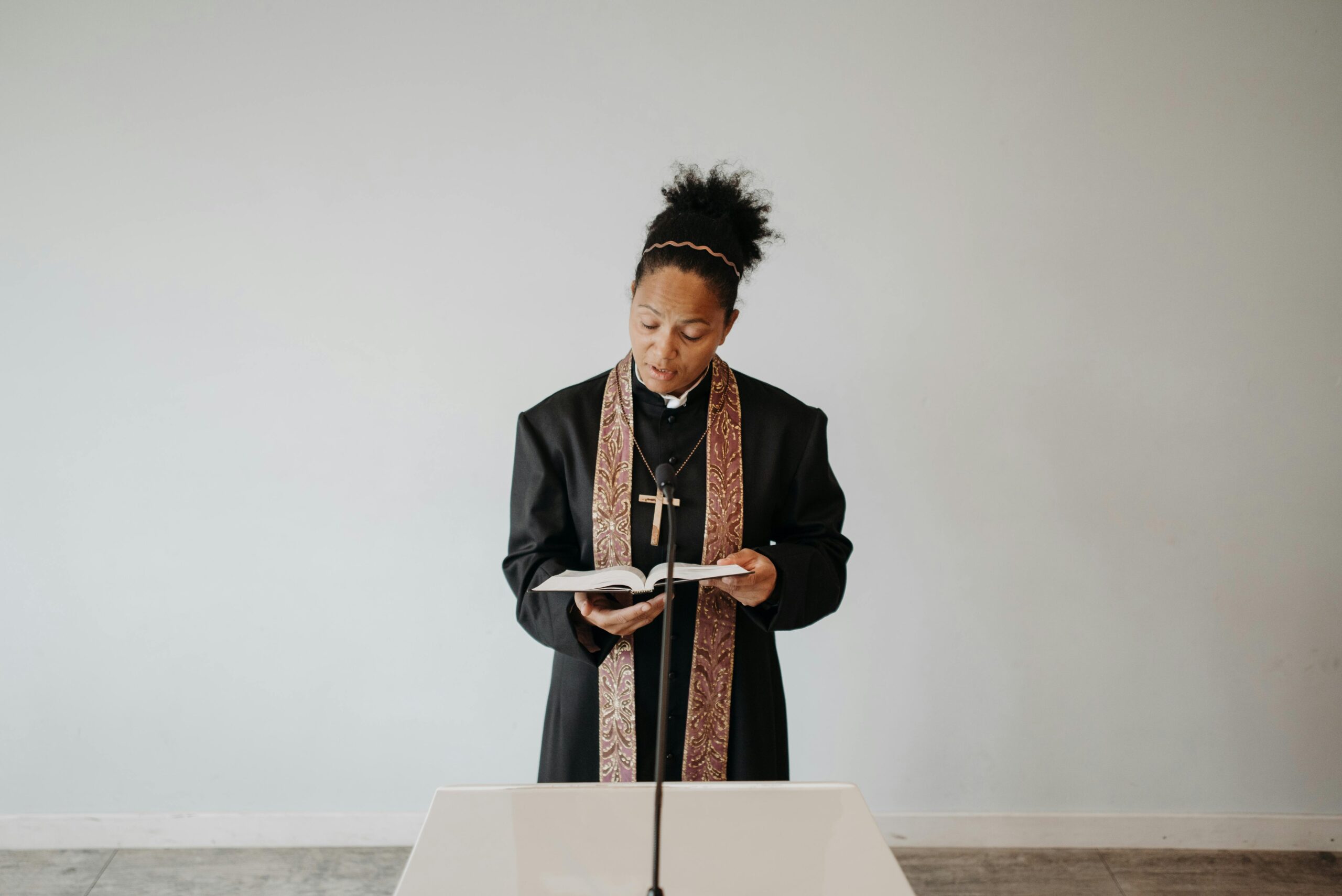
Perhaps the ultimate point of the divine disguise narrative isn’t to identify who among us might be secretly divine, but to transform how we treat everyone. If any person might be a god in disguise, then everyone deserves to be treated with the reverence, kindness, and attention we would offer to divinity.
This ethical insight appears across religious traditions: treat strangers with hospitality, recognize the divine image in every person, serve others as you would serve God. The potential divinity of any encounter elevates everyday interactions to sacred significance.
The concept of divine disguise ultimately invites us to see more deeply, to recognize that appearances deceive, and to remain open to the possibility that reality contains more mystery than our everyday perception acknowledges. Whether literal or metaphorical, the idea of a god living among us as a mortal challenges our assumptions about both divinity and humanity, suggesting that the distance between them might be smaller than we imagine.
In embracing this possibility, we don’t merely entertain a theological hypothesis—we adopt a way of being in the world that recognizes potential sacredness in every moment and every encounter. The disguised god teaches not through revelation but through concealment, transforming how we see without ever being seen for what they truly are.
